6 Common Mistakes Restaurants Make With DIY Photos
Most restaurants don’t realise they have a photography problem.
Not because the food looks bad in person, but because the photos fail to communicate the quality, atmosphere and experience behind it.
In hospitality, people often decide what looks worth ordering within seconds. Poor imagery quietly affects perception long before anyone reads the menu.
Here are some of the most common mistakes restaurants make with DIY food photography.

1. Photographing Under Harsh or Mixed Lighting
One of the biggest giveaways of DIY photography is inconsistent lighting.
Harsh overhead lighting, flash photography or mixed lighting can make food look flat, greasy or dull.
Texture disappears, colours lose vibrancy and dishes instantly feel less appetising.
Lighting is one of the biggest factors in creating visual appetite.

2. Trying to Photograph Everything the Same Way
Not every dish should be shot from the same angle or styled identically.
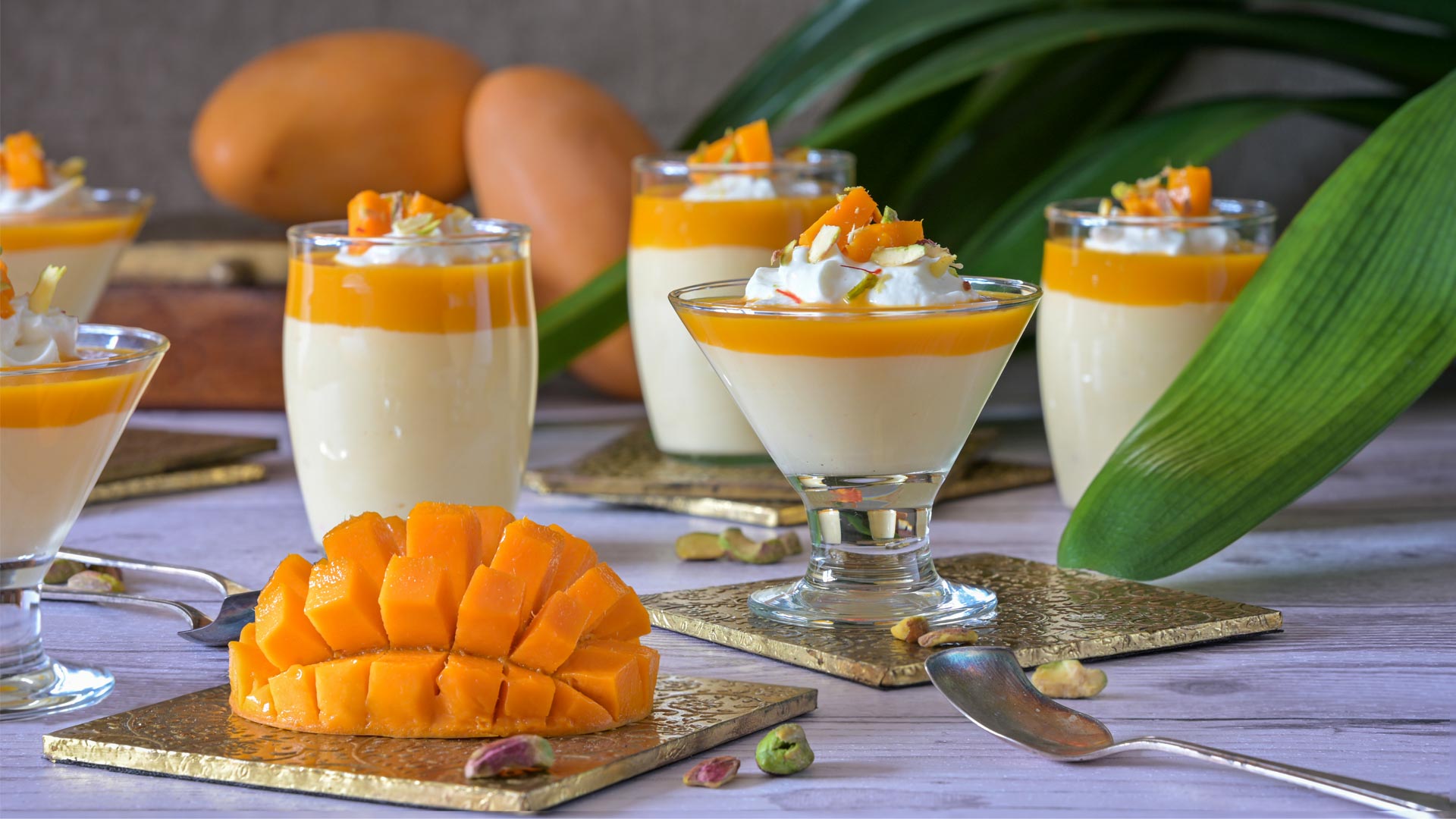
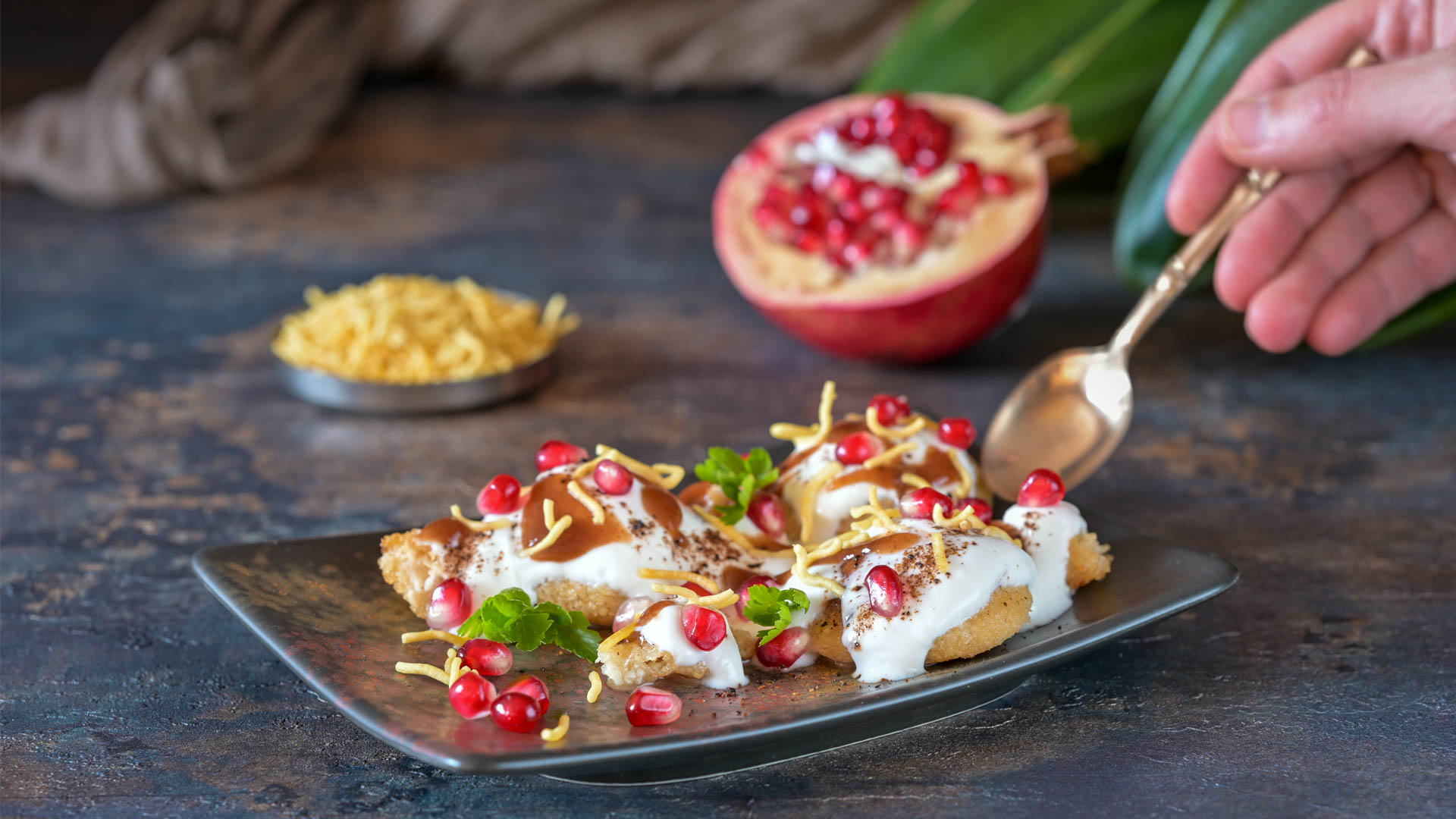
A vibrant Indian thali, a cocktail and a dessert all need different approaches to highlight what makes them appealing.
When every image looks the same, menus start to feel repetitive rather than engaging.
Strong food photography creates variation while still feeling visually cohesive as a brand.
3. Over editing the Food
Heavy filters and aggressive editing might work for personal social media posts, but they often damage food imagery.
Oversaturated colours, unnatural contrast and excessive sharpening can make dishes look artificial rather than appetising.
Customers may not consciously notice why an image feels “off”, but they feel it immediately.
Good editing should enhance reality, not distort it.

4. Ignoring the Context Around the Dish
Food doesn’t exist in isolation.
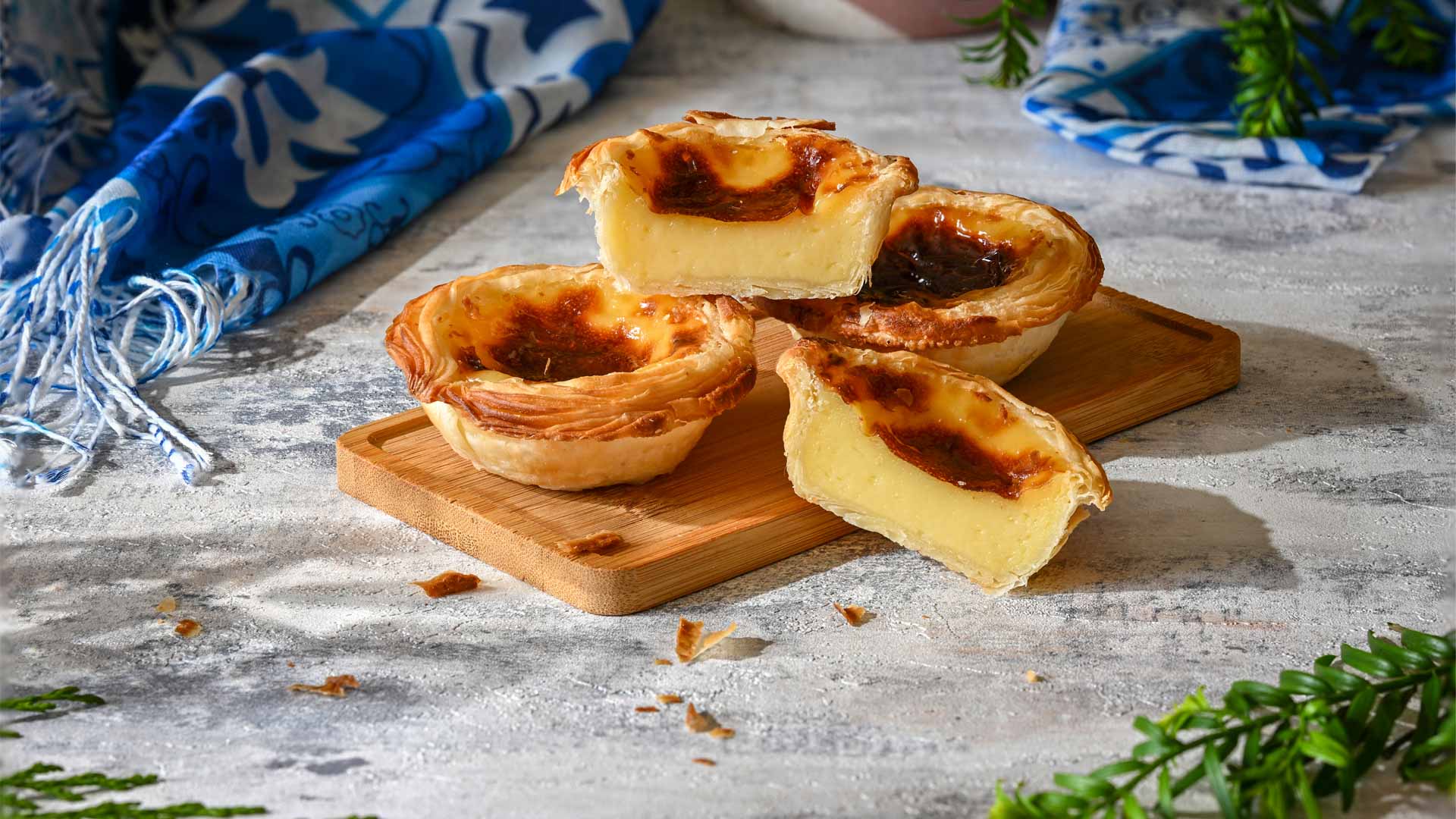
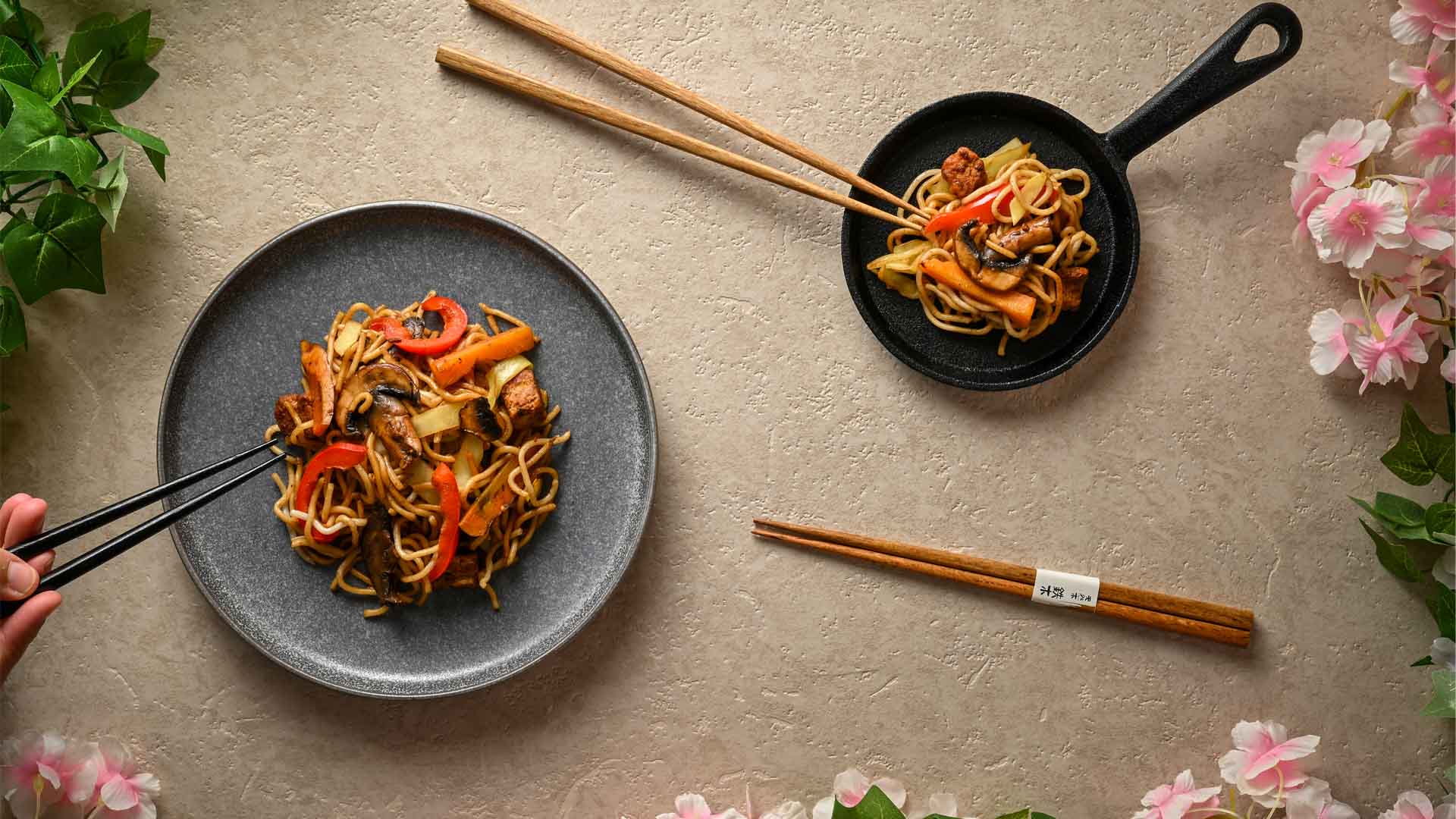
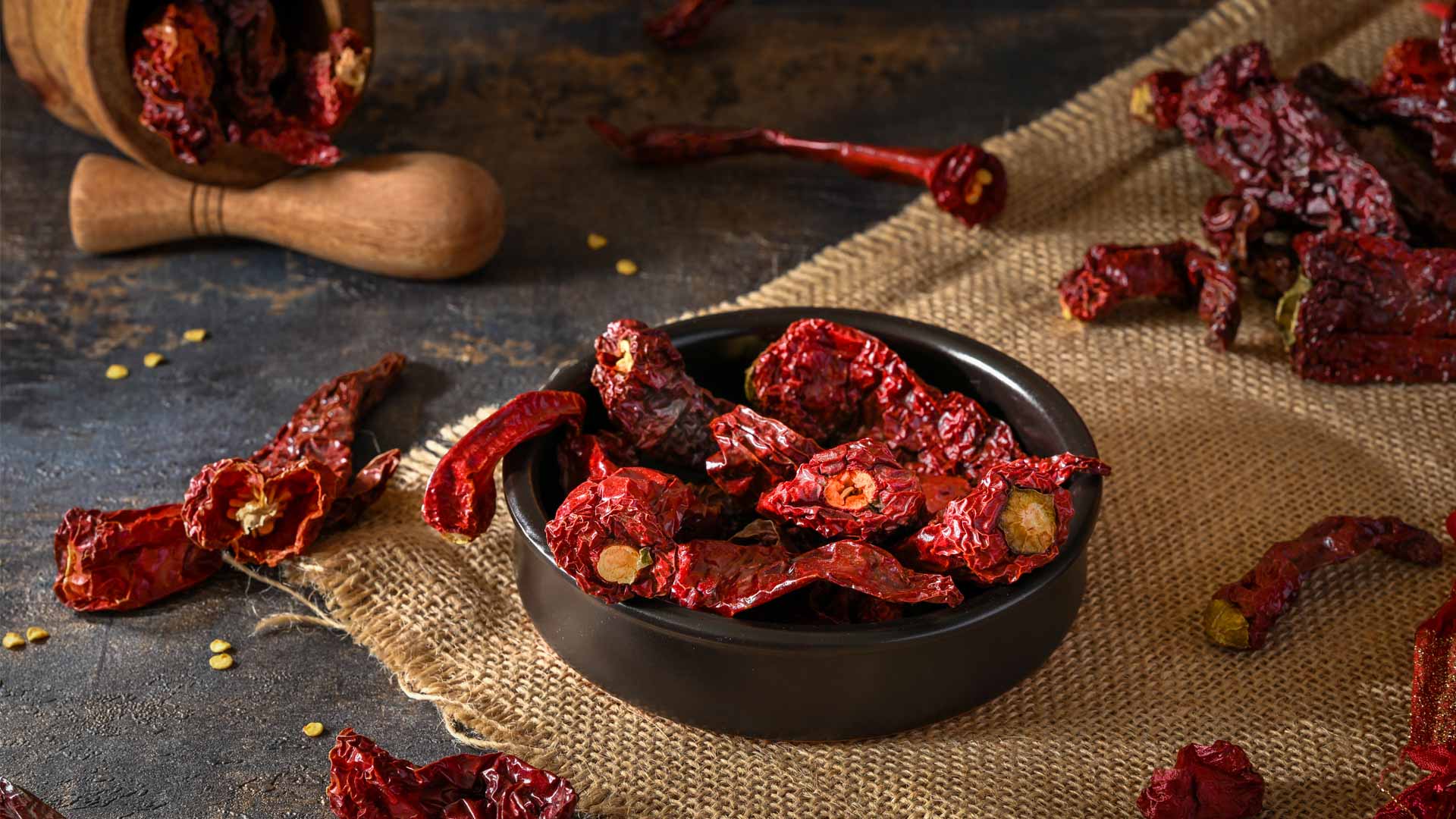
Table styling, props, surfaces, ingredients and atmosphere all help tell the story of the cuisine and dining experience.
A beautifully plated dish photographed on a cluttered table under poor lighting loses impact instantly.
The strongest restaurant imagery considers the colour, cultural authenticity, texture and atmosphere, shaping how customers perceive brand quality. Because customers aren’t just buying food, they’re buying an experience.
5. Inconsistent Images Across Platforms
This is one many restaurants overlook.
They have one style on their website, another on delivery apps and something completely different on social media.
That inconsistency weakens brand perception.
Consistent visual identity builds trust. It makes a restaurant feel more established, premium and memorable, especially when customers are comparing multiple dining options online.

6. Focusing Only on “Pretty” Instead of Strategic
A good food photo should do more than look attractive.
It should guide attention, trigger appetite and influence ordering decisions.
Because often, customers decide what feels worth buying before they’ve even read the description.

That’s where professional food photography differs most from DIY imagery.
It’s not simply about taking better pictures but about understanding how visual perception influences customer decisions. Often, the difference between a dish being ignored or ordered starts long before the first bite.
What’s one food photography mistake you see restaurants making most often?

About the Author
Ansuya is a food photographer specialising in Indian and global cuisine.