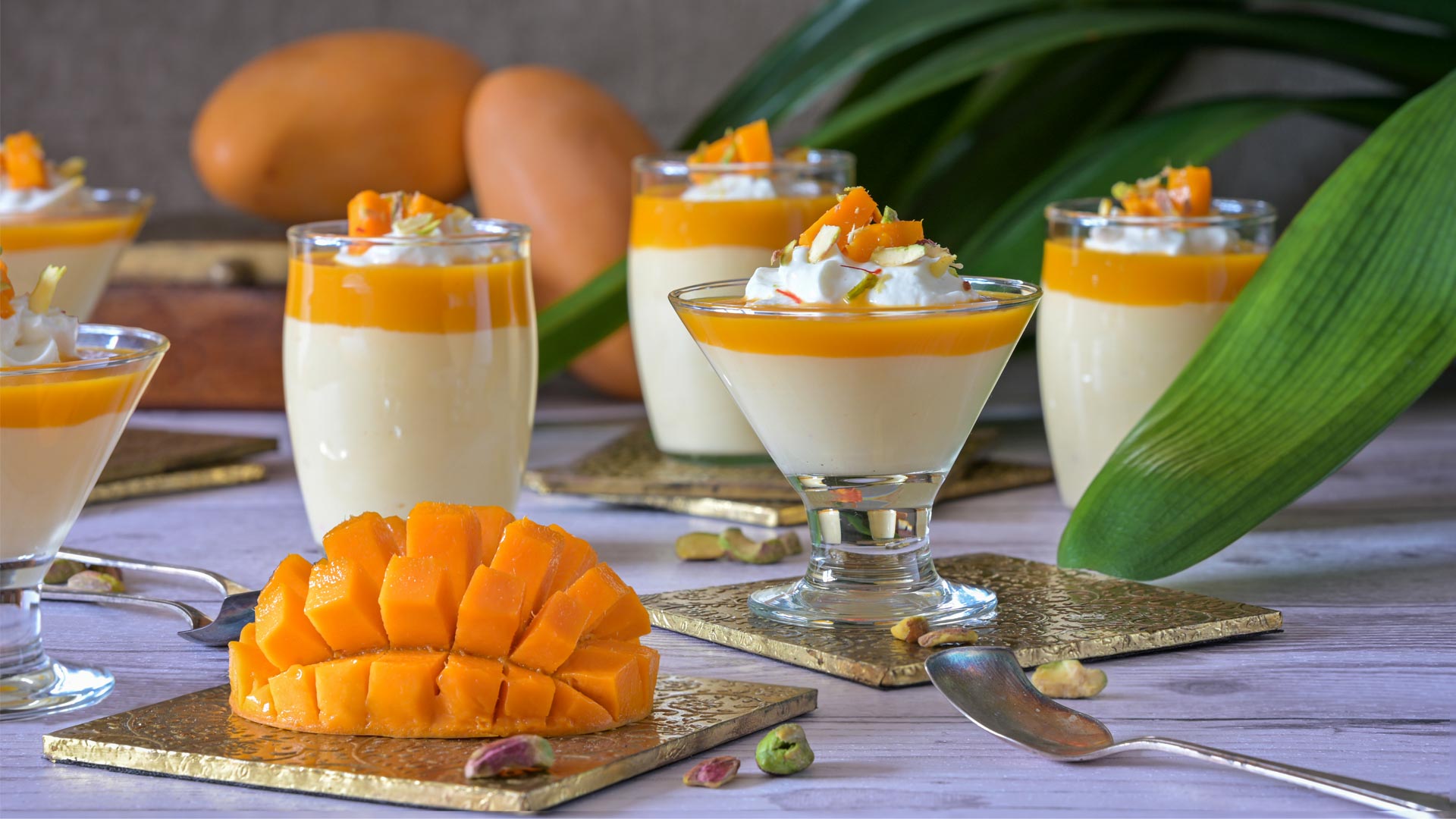
How to make Indian food look visually appealing
Indian food is full of colour, texture, contrast and detail, yet photographing it well can present a particular challenge.
Many dishes are rich in colour and texture, but once plated, their individual characteristics can become less obvious. A dal, curry or chaat can easily become a bowl of warm, earthy tones. Several dishes on the same menu can also begin to look surprisingly similar when photographed without much consideration for styling, composition or light.
And this matters because people experience food visually long before they taste it.
The photograph is often the first opportunity to communicate what makes a dish special, whether that is the freshness of the ingredients, the richness of the spices, the contrast of textures or the sense of place and tradition behind it.
So how do you make Indian food visually appealing without losing what makes it authentic?

Start with the food itself
Before reaching for props or deciding on a background, look carefully at the dish in front of you and consider “what makes it distinctive?”
Perhaps it is the deep red of a tomato-based curry, the glossy surface of a rich sauce, the contrast of textures, or the delicate garnish adorning the dish. These are the details that should guide the photograph.
Rather than trying to make every dish look more elaborate, the aim should be to make its most appealing characteristics more visible. A simple dish can be incredibly compelling when its textures, colours and details are given enough space to be noticed.
This is particularly important with Indian food, where much of the experience is hidden within the dish itself. The photograph has to give the viewer clues about what they can expect when they eventually taste it.
Use colour with intention
Colour is one of the most powerful tools available when photographing Indian food, but more colour does not necessarily make a better photograph.
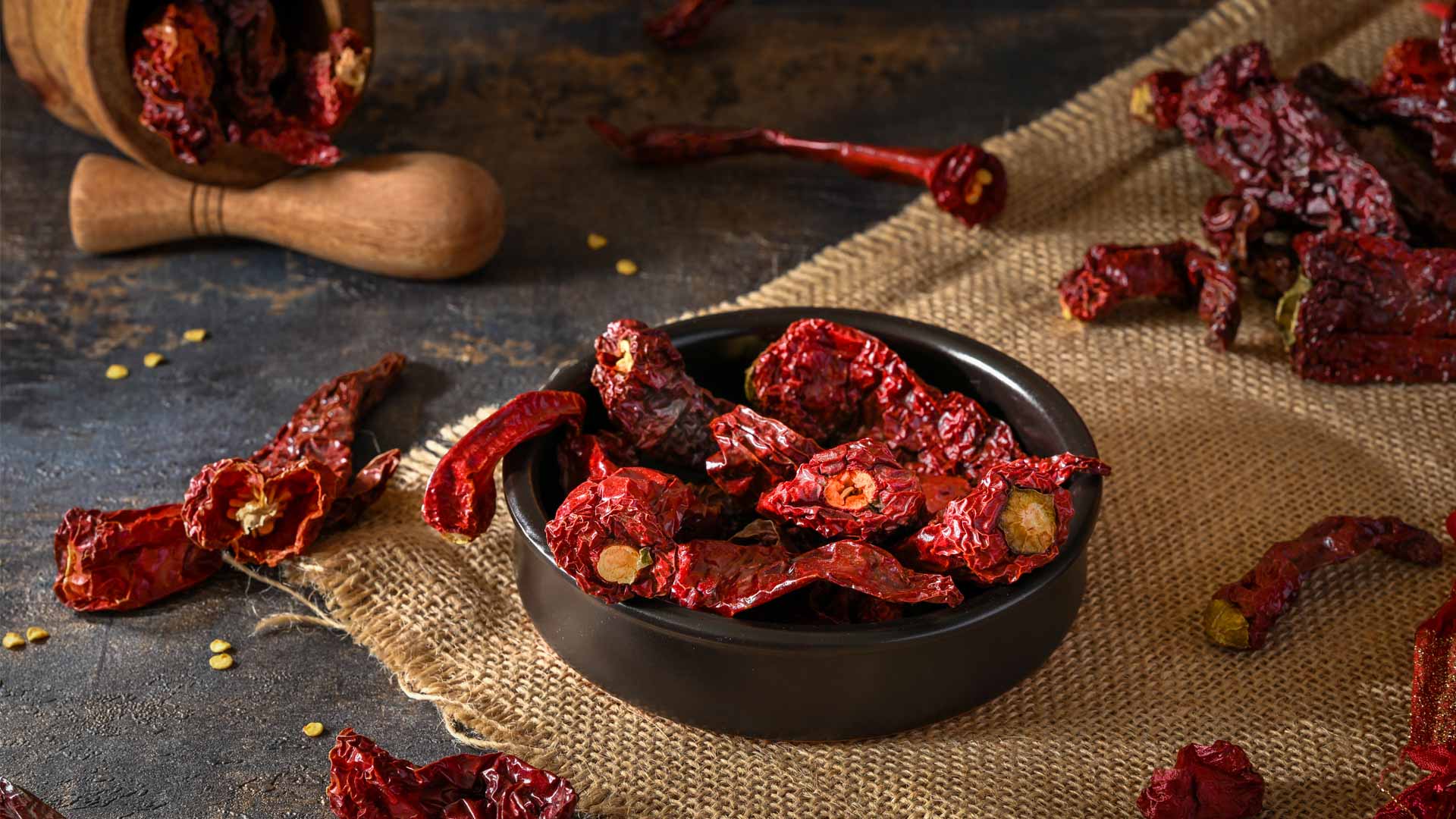
Indian cuisine naturally gives us an extraordinary palette: vibrant chillies, fresh coriander, golden turmeric, deep red spices, jewel-like pomegranate seeds, pink pickled onions and colourful chutneys.
The challenge is to use those colours to create contrast and draw attention rather than allowing everything to compete for it.
A bright garnish might be enough to lift a bowl of curry. A contrasting fabric might create separation around a plate or the muted tones of brass, wood or natural ceramics might allow the colours of the food to become the focal point.
The question is not simply “What colours can I add?”, it is “Which colours help me see the food more clearly?”.

Let texture do some of the storytelling
Indian food can be incredibly tactile and photography gives us the opportunity to make those textures almost tangible.
Think about the crisp surface of a samosa, the softness of a naan, the gloss of a rich curry, the grain of basmati rice or the contrast between creamy yoghurt and crunchy sev in a chaat. These details create anticipation.
Close-up photography, considered lighting and careful styling can all help reveal the differences between ingredients and textures that might otherwise disappear in a wider photograph.
Sometimes the most appetising image is not the one that shows the whole dish, but the one that makes you notice a particular detail.

Choose props that belong to the story
Props can help establish a sense of place, but they should have a reason for being there.
A brass bowl, traditional serving dish, clay pot, metal kadai, wooden board or piece of Indian textile can add context and help communicate something about the food’s origins, preparation or style.
But authenticity does not come from filling the frame with objects associated with India. A few carefully chosen details will usually say far more than a collection of decorative props.
Consider what the food needs the viewer to understand. Is it a home style dish, something served at a celebration, street food, fine dining or a dish designed to be shared? The styling should support that story while allowing the food to remain the most important element in the frame.
Give the food a sense of place
One of the most powerful ways to photograph Indian food is to show more than the finished plate.
A scattering of ingredients can hint at flavour. A hand preparing dough can introduce the human element. A tandoor, cooking vessel or serving spoon can suggest how the food is prepared. Accompaniments can show how a dish is traditionally enjoyed. These details help the viewer build a picture in their mind.
A photograph of a plate of food tells us what something looks like. A photograph that shows the ingredients, preparation, surroundings and way the food is served can begin to tell us what it feels like to experience it.
That distinction is important for restaurants, caterers and food brands because you are not simply showing customers what you sell. You are helping them imagine choosing it, ordering it and eventually eating it.

Think carefully about light
Good lighting does more than make a photograph bright enough. It reveals texture, controls contrast, separates colours and influences the mood of the image.
Soft side light can bring out the texture of breads and fried foods while retaining a sense of warmth. Backlighting can make sauces and chutneys glow, highlighting translucency and freshness. More directional light can create deeper shadows and a stronger, more dramatic sense of atmosphere.
There is no single lighting style that works for every Indian dish. The right question is: What does this particular food need the light to reveal?
Remember that not every dish needs to look the same
Perhaps the biggest mistake is trying to photograph an entire menu using exactly the same visual formula. Indian cuisine is incredibly diverse, and your photography should have enough flexibility to reflect that.
A vibrant street food dish might need energy and movement. A regional thali might benefit from showing abundance and variety. A refined plated dish might need more restraint and negative space. A tray of sweets might call for colour, repetition and a sense of occasion.
The photography should respond to the food rather than forcing the food into a predetermined style, because ultimately, making Indian food visually appealing is not about adding more to the photograph, it is about seeing what is already there.

The colour. The texture. The ingredients. The craftsmanship. The culture. The occasion. The story behind the dish.
When those elements are considered carefully, the photograph can do more than show someone what the food looks like, it can make them imagine the taste. And that is where food photography becomes more than a picture of food.
It becomes visual appetite.

About the Author
Ansuya is a food photographer specialising in Indian and global cuisine.