Why Stock Photos Don’t Work for Premium Food Brands
You can buy a stock photo in seconds.
It looks polished, professionally lit and technically perfect. It might even feature a dish that’s similar to the one you sell.
So why doesn’t it help customers choose your business?
Because premium food brands aren’t built on generic images. They’re built on trust, authenticity and a visual identity that customers recognise instantly. In a marketplace where people make split-second decisions about where to eat or what to order, using the same images that hundreds of other businesses can buy sends entirely the wrong message.

Premium brands sell an experience, not just a product
When customers pay more for food, they’re rarely paying only for the ingredients.
They’re paying for craftsmanship, atmosphere, consistency and the confidence that the experience will match their expectations. Your photography is often the first opportunity to communicate those qualities before anyone has tasted a single bite.
Stock photography can look attractive, but it tells customers nothing about your food. The spices, textures, plating style, restaurant ambience, packaging or attention to detail that make your business different simply aren’t there.
Instead of building anticipation, stock imagery creates distance.
Customers are becoming surprisingly good at spotting generic imagery
Consumers spend hours every day scrolling through visual content. Whether they realise it consciously or not, they’ve become highly skilled at recognising when something feels authentic and when it feels manufactured.
Stock photography often carries that polished but impersonal feel. It may be beautifully photographed, but it lacks the subtle imperfections, unique presentation and recognisable details that give genuine food photography its credibility.
If your website promises handcrafted food but your images could belong to any café, restaurant or food company in the country, the visual story doesn’t match the brand story.

Your food deserves to become part of your brand identity
Think about the strongest food brands you know.
Their photography isn’t interchangeable. It has a recognisable style, consistent lighting, carefully chosen colours and a visual language that customers begin to associate with the brand itself.
This consistency builds familiarity, and familiarity builds trust.
When every image on your website, menus, social media and delivery platforms reflects the same quality and personality, customers begin to recognise your brand long before they read your name.
That’s impossible to achieve with a collection of unrelated stock photographs.
Authentic photography creates emotional appetite
Food photography isn’t simply about showing what’s on the plate.
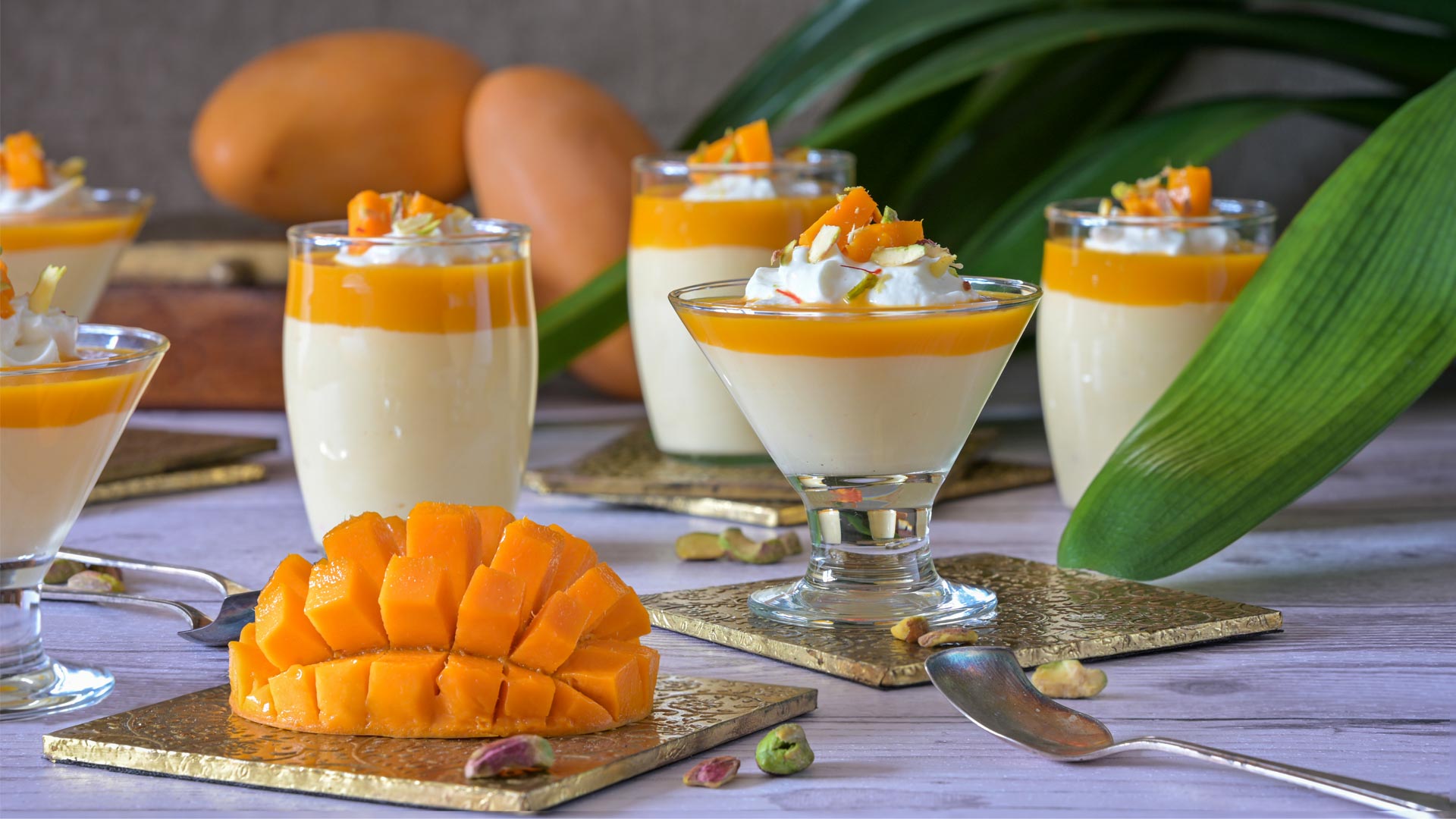
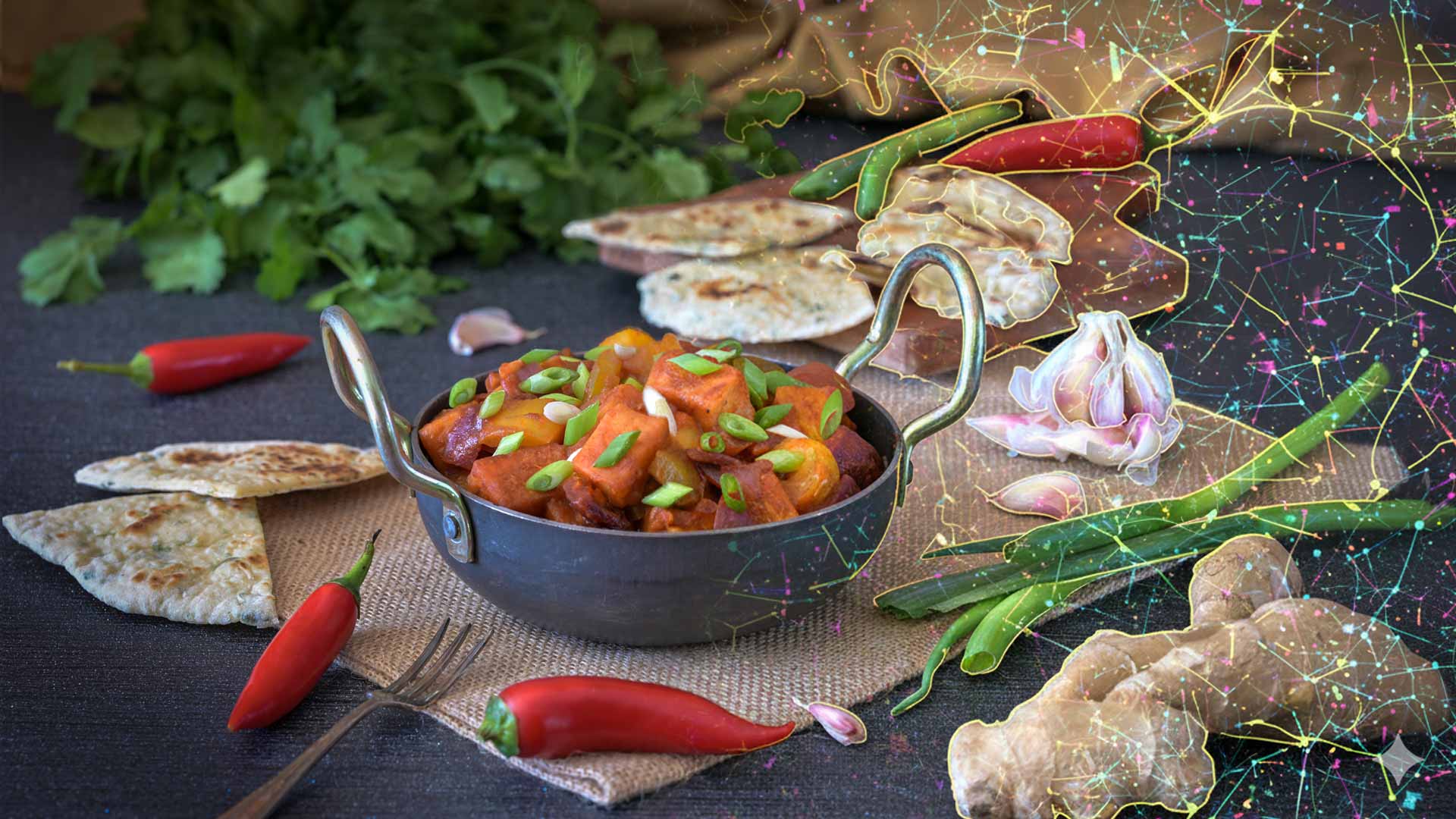
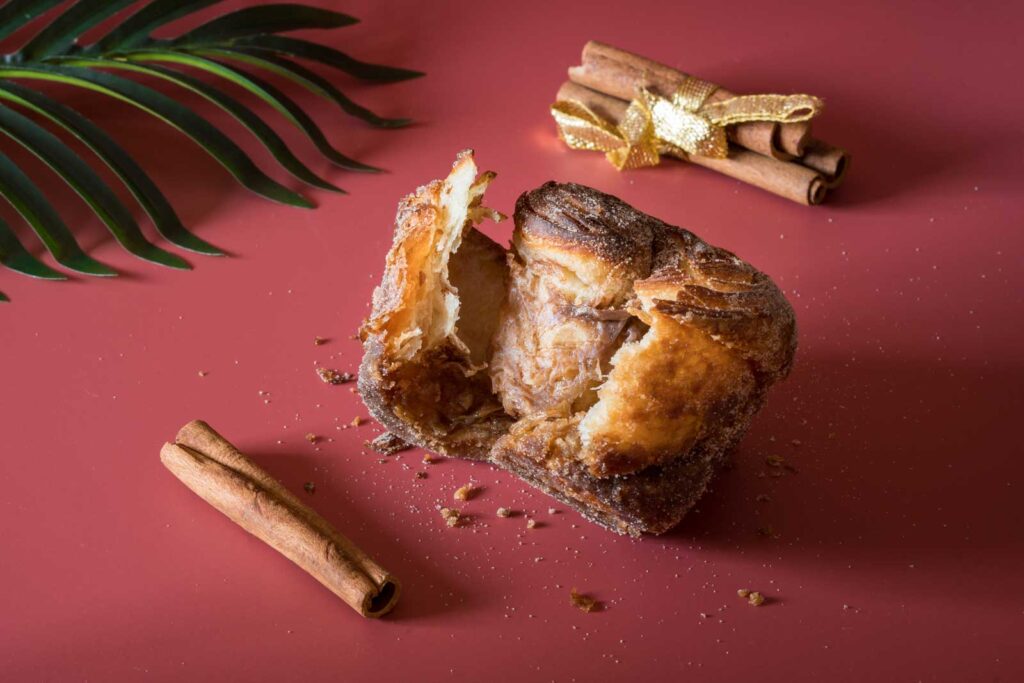
The best images trigger anticipation. They allow people to imagine the crispness of freshly baked pastry, the richness of a slow-cooked curry or the freshness of vibrant ingredients before they’ve even placed an order.
That emotional response only works when the photography represents the food customers will actually receive.
If expectations and reality don’t align, trust disappears. If they do align, customers are far more likely to return because the experience matched the promise.
Original photography becomes a long-term business asset
Professional food photography isn’t simply content for next week’s Instagram post.
It’s a library of brand assets that can support your business for years across your website, advertising, printed menus, packaging, press features, email marketing and seasonal campaigns.
Unlike stock photography, those images can’t be copied by competitors because they’re uniquely yours. They become part of the value of your brand rather than a temporary placeholder.
Your visuals should be as distinctive as your food
You’ve invested time perfecting recipes, sourcing ingredients, training your team and creating an experience that customers remember.
Your photography should reflect that same level of care.
If your visuals look like everyone else’s, your food risks being perceived the same way, regardless of how exceptional it really is.
Original food photography doesn’t simply document what’s on the plate. It captures what makes your brand worth choosing, helping customers see the quality, craftsmanship and attention to detail that set your business apart before they ever take their first bite.
How distinctive are your food visuals?
If you’re relying on stock photography, outdated images or inconsistent visuals, it may be costing you more than you realise.
Take my free Visual Appeal Quiz to discover how effectively your food photography is attracting customers, communicating quality and supporting your brand. You might be surprised by what you uncover.

About the Author
Ansuya is a food photographer specialising in Indian and global cuisine.