Authenticity vs AI
There’s a growing temptation in food marketing right now.
AI-generated imagery is faster, cheaper and instantly available, making it an appealing option for busy restaurant owners, caterers and food brands trying to keep up with constant content demands.
At first glance, the results can look polished and visually impressive, often good enough to fill a website or social feed without much thought. But when your business relies on perception to drive demand, “good enough” is rarely neutral. More often than not, it comes with a hidden cost.

Why “good enough” visuals are quietly costing food brands real money
AI can produce beautifully styled dishes with perfect lighting and composition in seconds, however food is not just visual, it is sensory, emotional and deeply tied to memory and expectation.
Your audience may not consciously analyse an image, but they instinctively respond to it. When something feels slightly off, even if they cannot explain why, the emotional connection weakens. The craving does not quite land, the trust is not fully established and the decision to order or enquire gets delayed.
In a competitive market, that hesitation is often the difference between a sale and a missed opportunity.

Authenticity isn’t a trend. It’s a trigger.
Your customers are not simply buying a dish. They are buying an experience, a story and a promise. They want reassurance that what they see is what they will receive, especially when choosing where to spend their money.
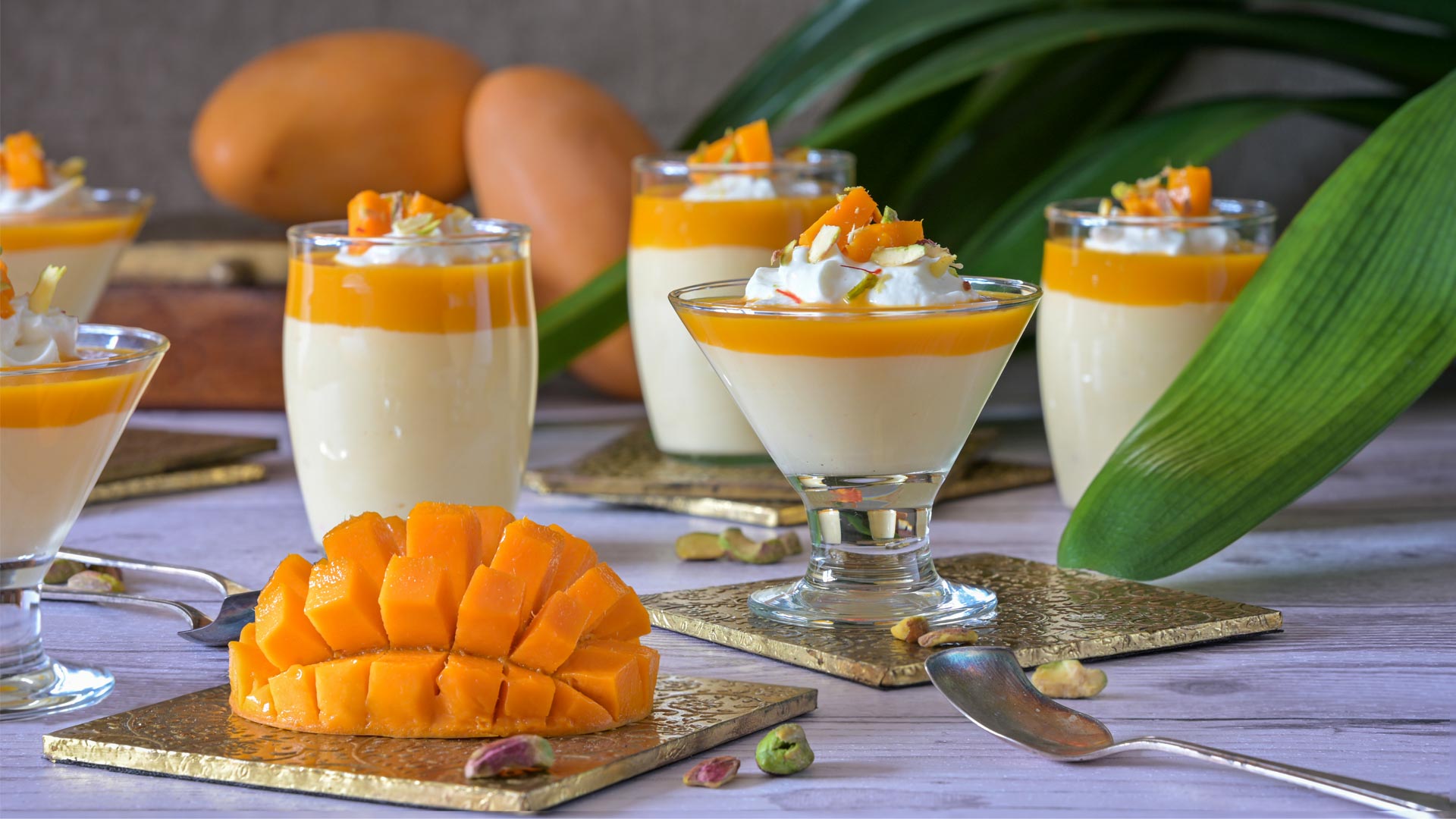
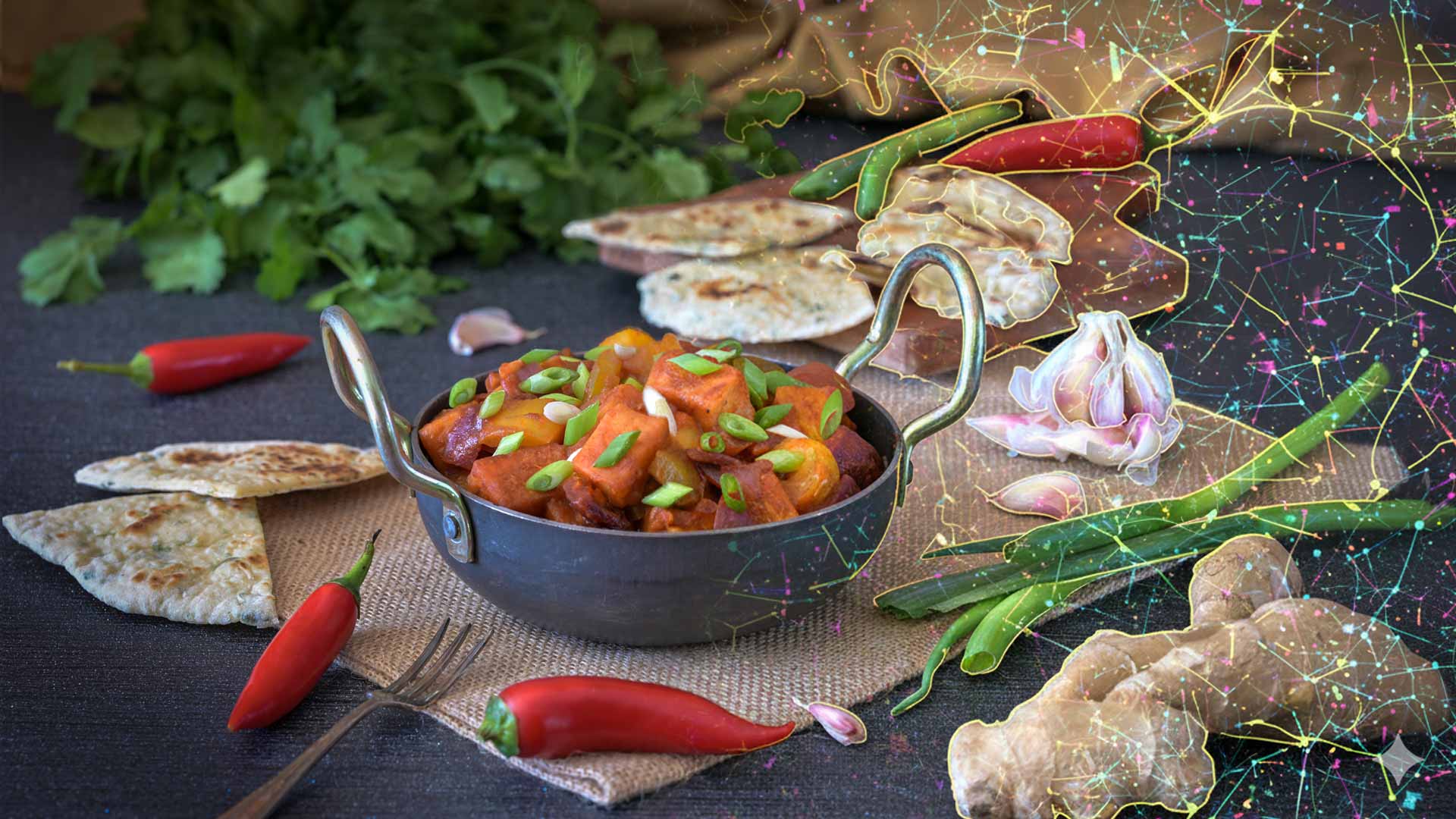
Authentic food photography captures that promise with intention. It reflects the real textures, colours and details that make your food distinctive; from the richness of a slow-cooked curry to the vibrancy of freshly prepared ingredients.
These are the visual cues that create genuine appetite and build confidence before a customer even takes their first bite.

Why this matters even more for global cuisines
For brands serving global cuisines, this becomes even more critical. Many of your customers may not be familiar with the dishes, ingredients, or traditions behind what you offer. That means your imagery is not just selling flavour, it is educating, reassuring and building cultural connection at the same time.
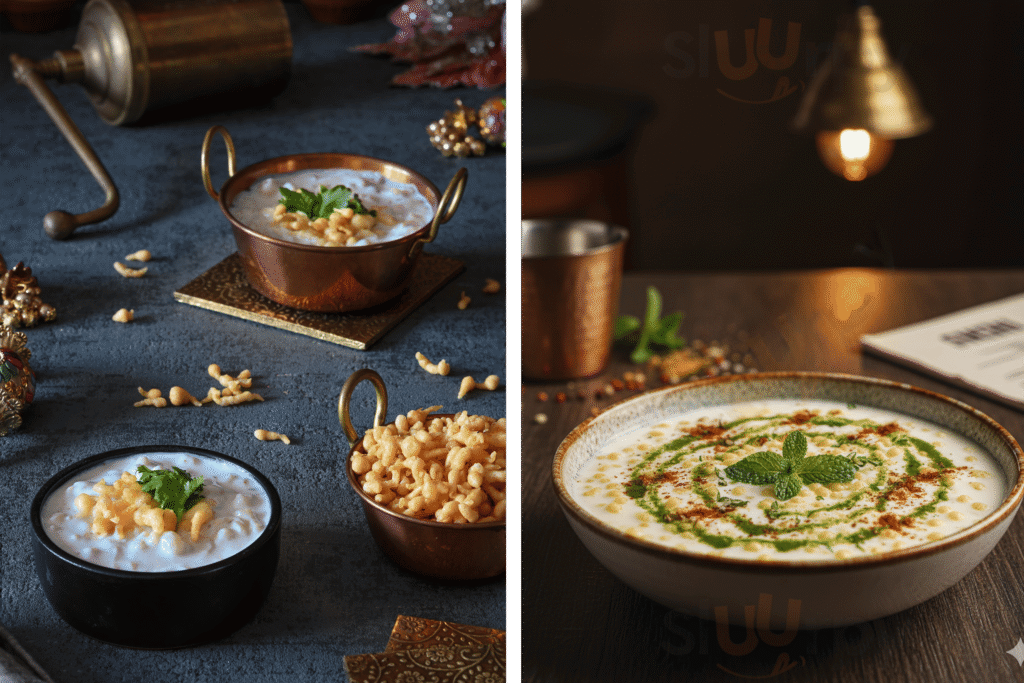
When visuals are AI-generated or inaccurate, small details can be misrepresented, whether that is the texture of a dish, the way it is plated, or the ingredients that define it. These details matter. They carry cultural meaning and authenticity. When they are wrong, it can dilute the story you are trying to tell and reduce credibility with both new customers and those who already understand the cuisine.
Real, intentional photography has the ability to communicate heritage, craftsmanship and context. It can show the depth of a dish, the richness of its preparation and the care behind it. For global food brands, this is not just about aesthetics, it is about preserving identity while making the unfamiliar feel desirable and accessible.

Where AI falls short for premium brands
AI certainly has its place as a tool, but when it becomes the face of a brand, particularly one positioned at a premium level, it introduces risk.
The first is visual sameness, where your brand begins to blend in with countless others using similar generated styles. The second is a loss of storytelling, especially for cuisines rich in culture and heritage, where authenticity matters.
Then there is the risk of eroding trust. If a customer’s real-life experience does not match what they saw online, even slightly, it creates doubt. Over time, that doubt impacts repeat business and word-of-mouth recommendations.
Premium brands don’t compete on convenience
Brands that aim to position themselves above the average do not compete on speed or convenience alone, they compete on perception. Every touchpoint, including your imagery, needs to reinforce the quality and experience you are offering.
Before a customer tastes your food, they have already judged it based on what they see. This judgement is instant and often subconscious, but it directly influences whether they perceive your offering as worth the price.

Photography as a business decision, not a creative extra
Professional food photography is often misunderstood as a purely creative investment, when in reality it is a strategic business decision.
Strong visuals increase perceived value, strengthen first impressions and reduce hesitation at the point of decision. They help align your pricing with how your brand is perceived, making it easier for customers to justify choosing you over a competitor.
In this sense, photography is not just content, it is a key driver of conversion and growth.
The real question
The conversation is not really about choosing between AI and photography. It is about deciding how you want your brand to be experienced by your audience.
If your goal is to be seen as premium, desirable and trustworthy, then your visuals need to do more than look appealing. They need to feel authentic and credible in a way that resonates with your ideal customer.
Final thought
AI can generate images quickly and efficiently, but it cannot immerse itself in your business, understand your craft, or translate the essence of your food into something people can almost taste through a screen. That level of depth and intention is what sets high-end food photography apart. It captures not just how your food looks, but how it should be experienced.
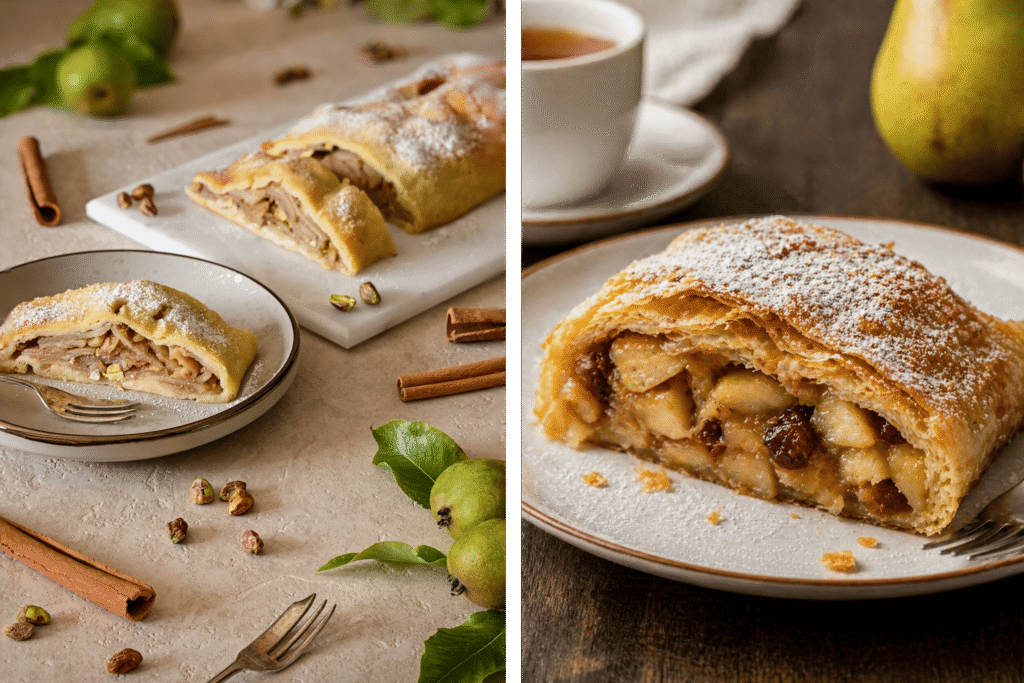
If you are currently relying on quick, convenient visuals but aiming to position your brand at a higher level, it may be time to reconsider what your imagery is communicating. The right visuals do not just represent your food, they shape how people value it.
If this resonates, feel free to share your thoughts or get in touch to explore how your brand could be seen differently.

About the Author
Ansuya is a food photographer specialising in Indian and global cuisine.