GLP-1 and the Psychology of Appetite: Why Food Photography Still Matters
The conversation around food is changing.
With the rapid rise of GLP-1 medications such as Ozempic and Wegovy, many businesses are asking an understandable question: if people are eating less, does food photography matter as much as it used to?
It’s an important discussion, but it starts with the wrong assumption.
Appetite starts in the mind
GLP-1 medications reduce hunger and help people feel full sooner, yet they don’t switch off the emotional, psychological and sensory relationship we have with food. Humans have never eaten purely because of biological need. We eat because food reminds us of family, culture, celebration, comfort, reward and curiosity. We eat because something looks irresistible.
That distinction matters more than ever.
Medicine teaches us about physiology, hormones and appetite regulation. Photography reminds us that appetite isn’t created solely in the stomach. It begins in the mind.
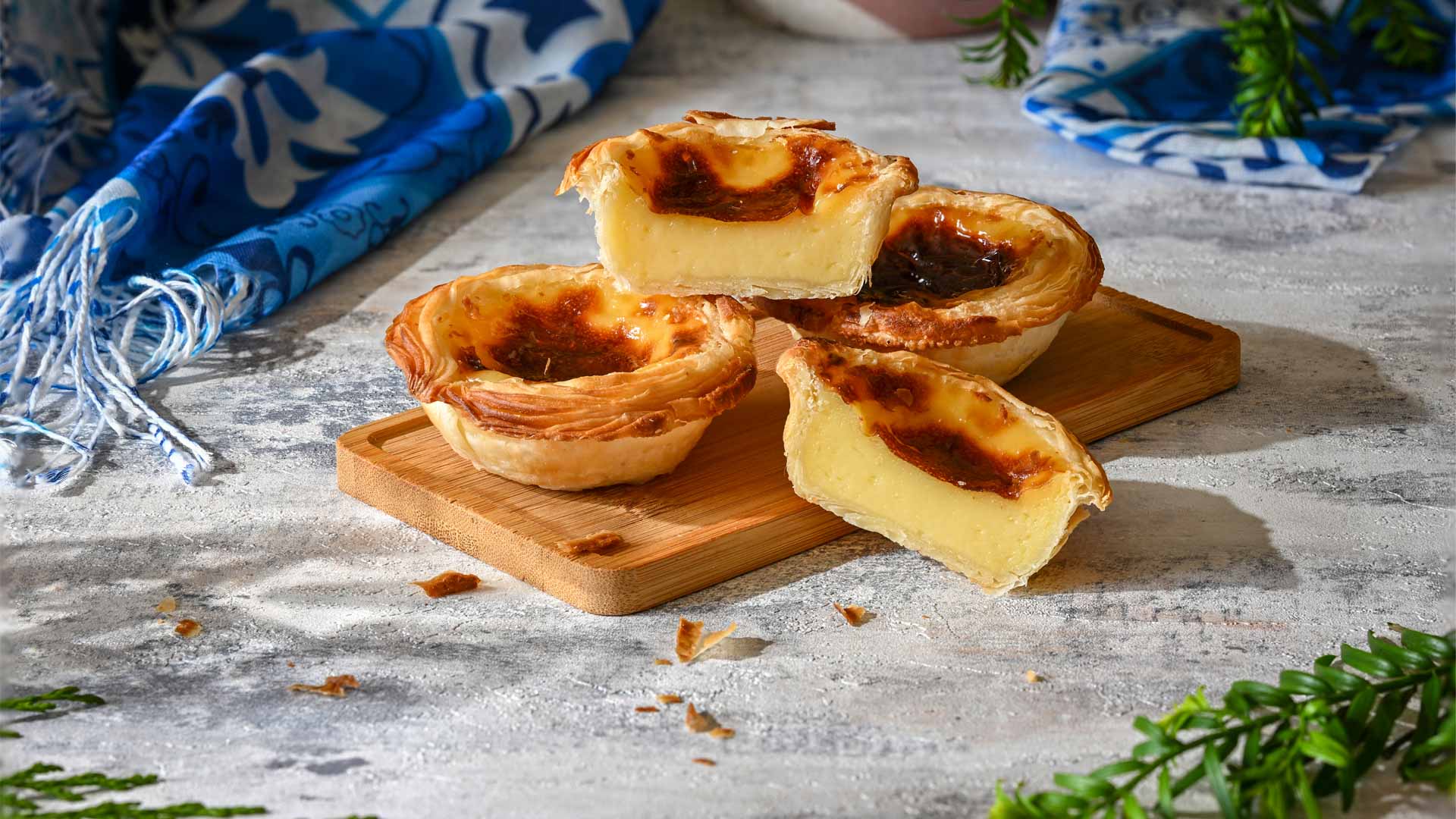
Long before we taste food, our brains are already forming expectations. The colour of a curry, the crisp texture of a perfectly blistered naan, the glossy finish of a sauce or the delicate layers of a pastry all trigger expectations about flavour, freshness and quality. These visual cues activate memories and emotions that shape whether we want to experience that food in the first place.

Smaller appetites, higher expectations
GLP-1 medications reduce the quantity people choose to eat and lower the brain’s response to sugary, fatty or highly processed foods, making them less appealing. But food remains more than fuel, and when eating becomes more intentional, presentation can become even more significant. If someone is choosing fewer dishes, they’re more likely to choose something that feels genuinely worth the experience.
For restaurants, cafés and food brands, this changes the conversation from volume to value.
For food businesses, this creates an opportunity to shift the conversation from volume to value. When customers become more selective about what they choose to eat, communicating craftsmanship, quality and care becomes increasingly important. In a world where customers are becoming more selective, visual perception becomes a competitive advantage.
Perception shapes value
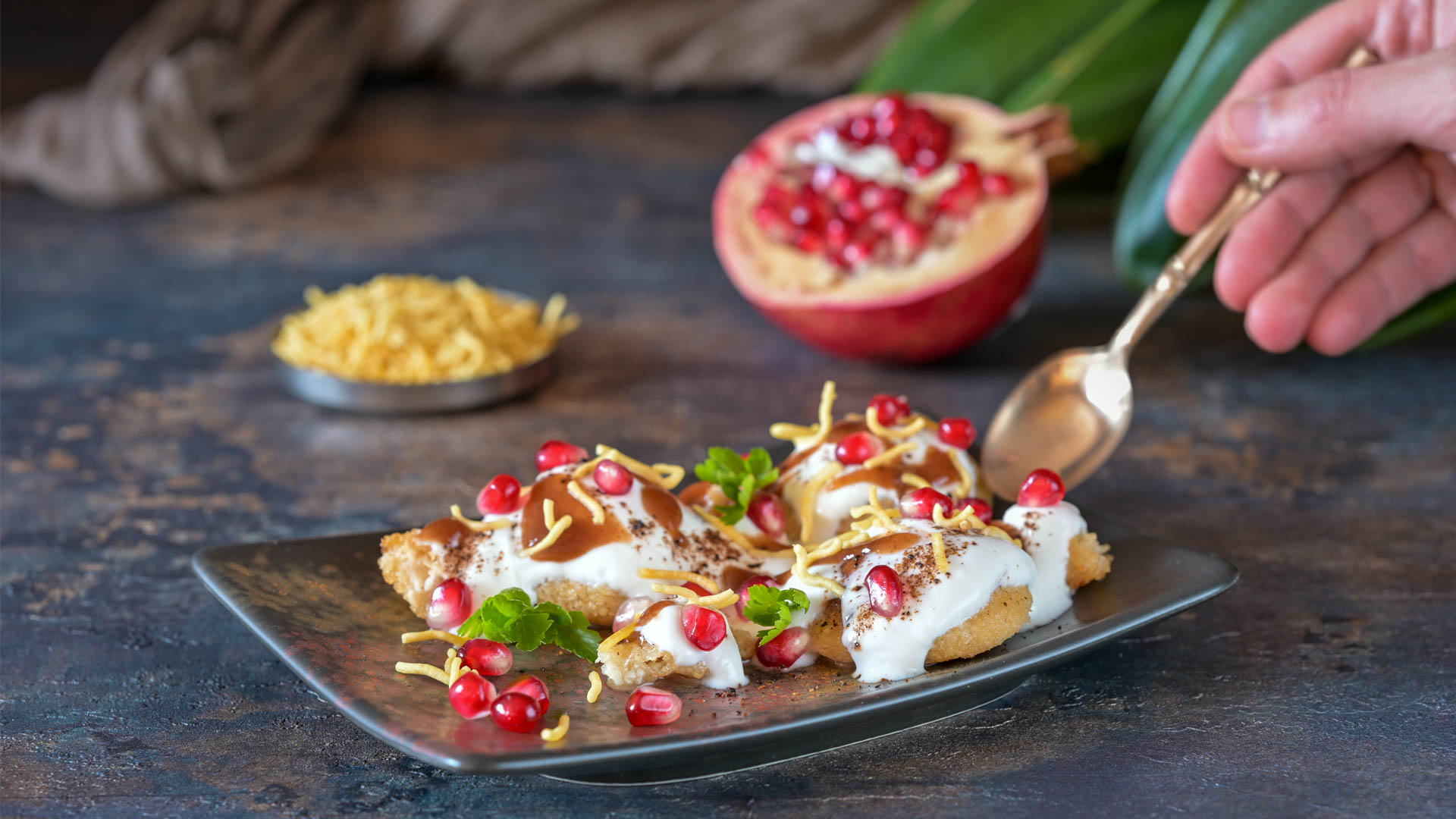
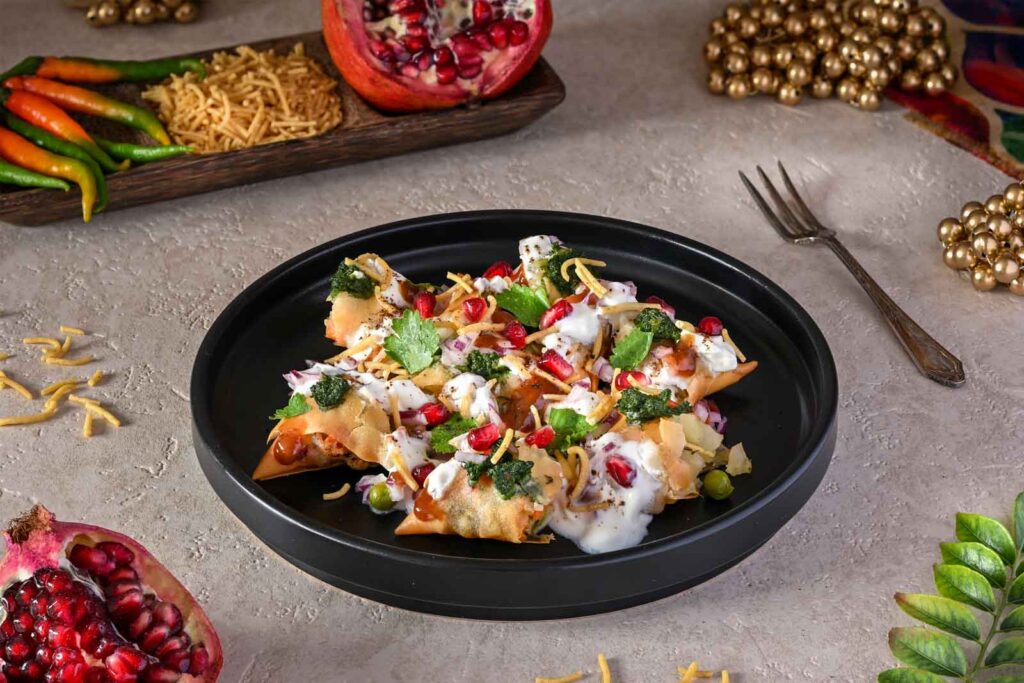
This is especially relevant for cuisines that have historically been misunderstood or underrepresented visually. Indian cuisine, for example, offers extraordinary colour, texture and depth, yet it’s still too often represented by rushed smartphone photos or flat, uninspiring delivery images. When that happens, customers aren’t judging the food itself. They’re judging the expectation created by the photograph.
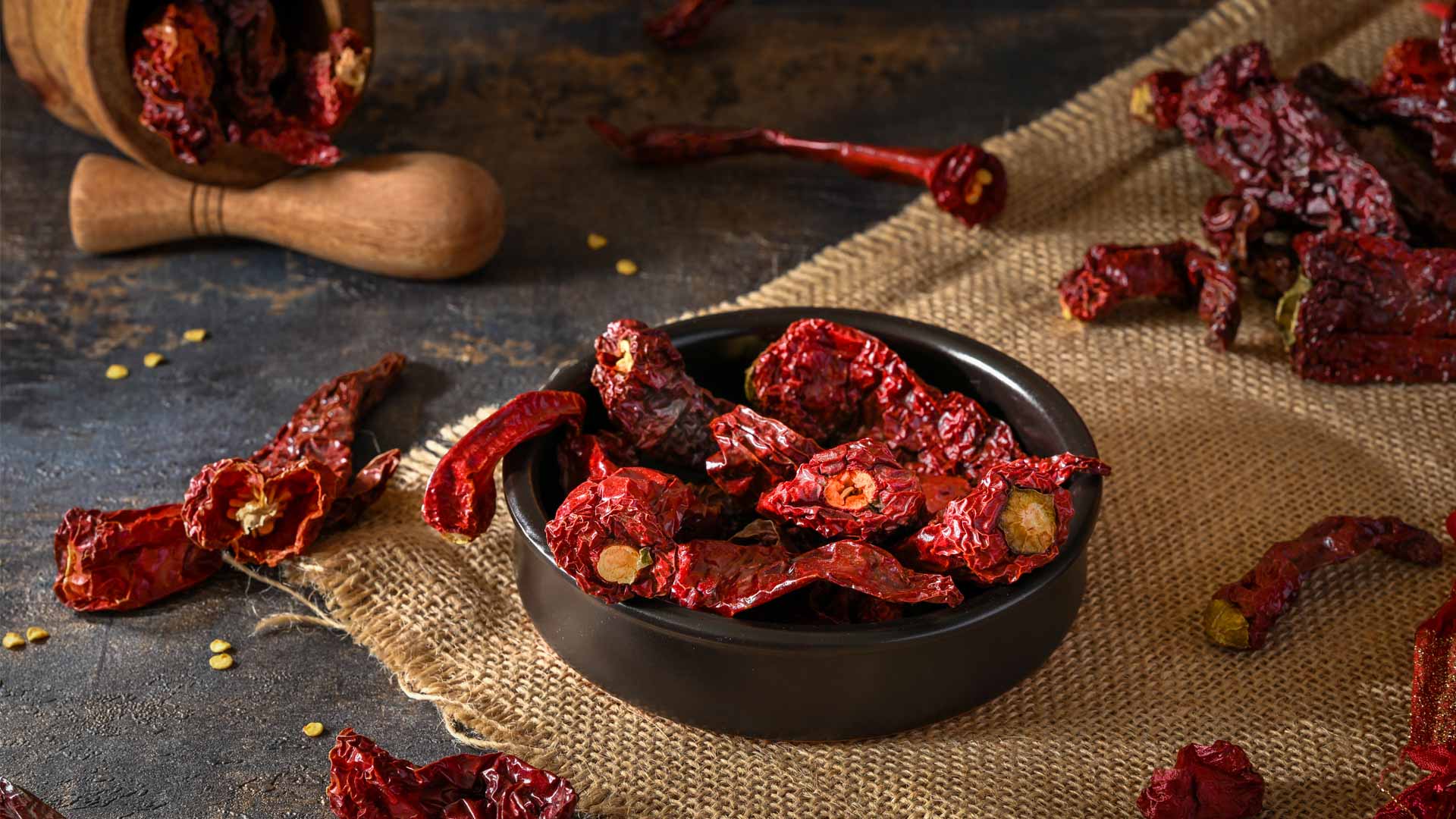
Professional food photography doesn’t manipulate reality. It reveals the qualities that deserve to be noticed. It captures the sheen of freshly tempered spices, the contrast of textures, the richness of colour and the craftsmanship behind every dish, allowing customers to experience the food emotionally before they’ve even placed an order.

The future of food marketing
Perhaps the greatest misconception about appetite is that it begins when we’re hungry.
In reality, appetite can begin with anticipation.
It’s the image that makes someone pause while scrolling. It’s the menu photo that convinces them to try something new. It’s the website banner that elevates an entire brand from ordinary to premium. Even when hunger is reduced, anticipation remains one of the most powerful drivers of food choice.
As eating habits evolve, food businesses shouldn’t see this as a reason to invest less in their visuals. They should see it as a reason to invest more thoughtfully. Every photograph now has a greater responsibility to communicate quality, trust and desirability because customers are making more deliberate decisions about what earns a place on their plate.
The psychology of appetite hasn’t disappeared, it’s simply become more discerning.
And that’s precisely why exceptional food photography still matters

About the Author
Ansuya is a food photographer specialising in Indian and global cuisine.