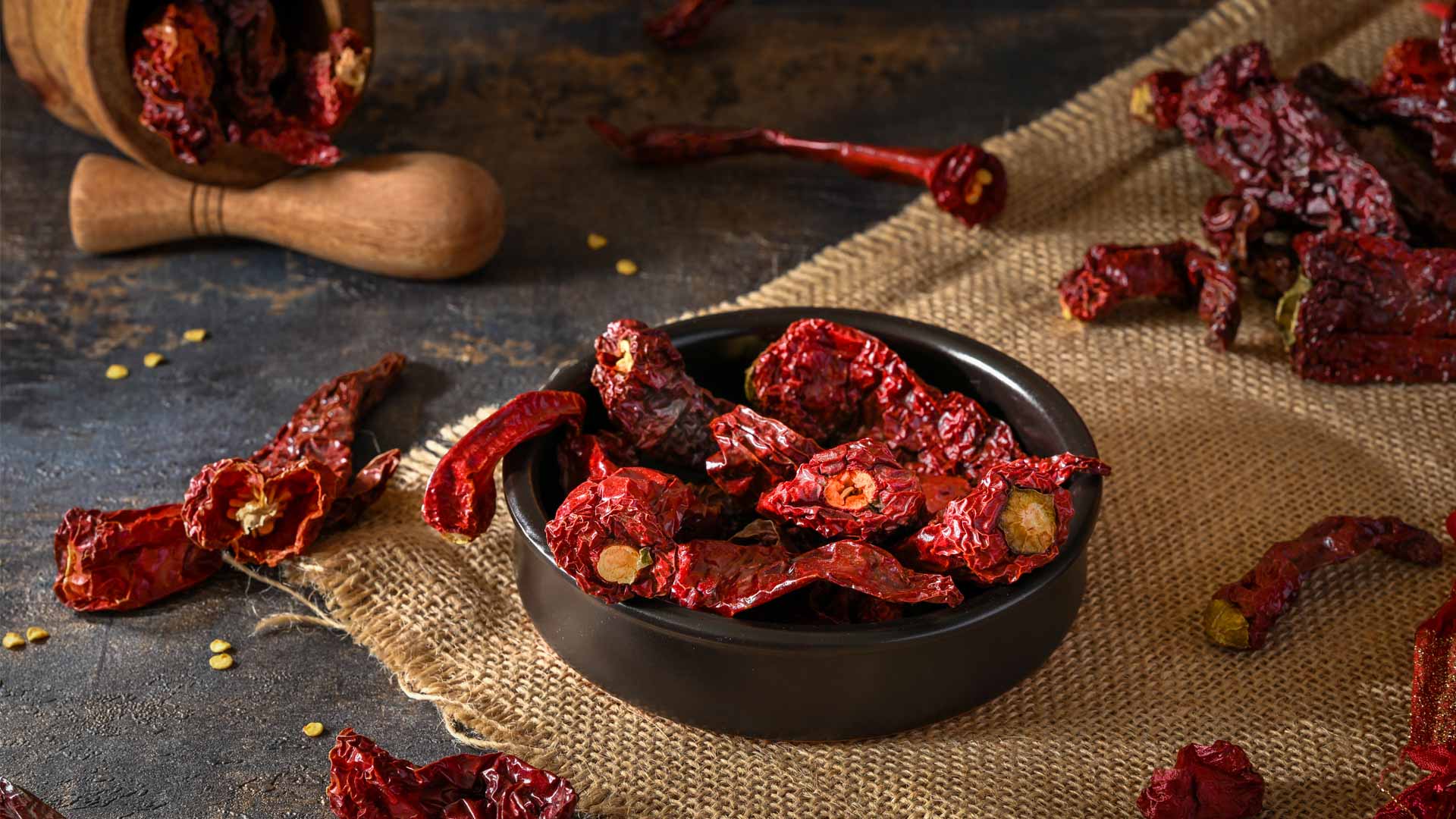
The Art of the Imperfect: Why Authentic, ‘Messy’ Shots Resonate with Audiences
We’ve all seen those food photographs that seem almost too perfect. Every garnish is precisely placed, every crumb has disappeared and every element is perfectly symmetrical. While these images can be undeniably beautiful, they don’t always create the strongest emotional connection.
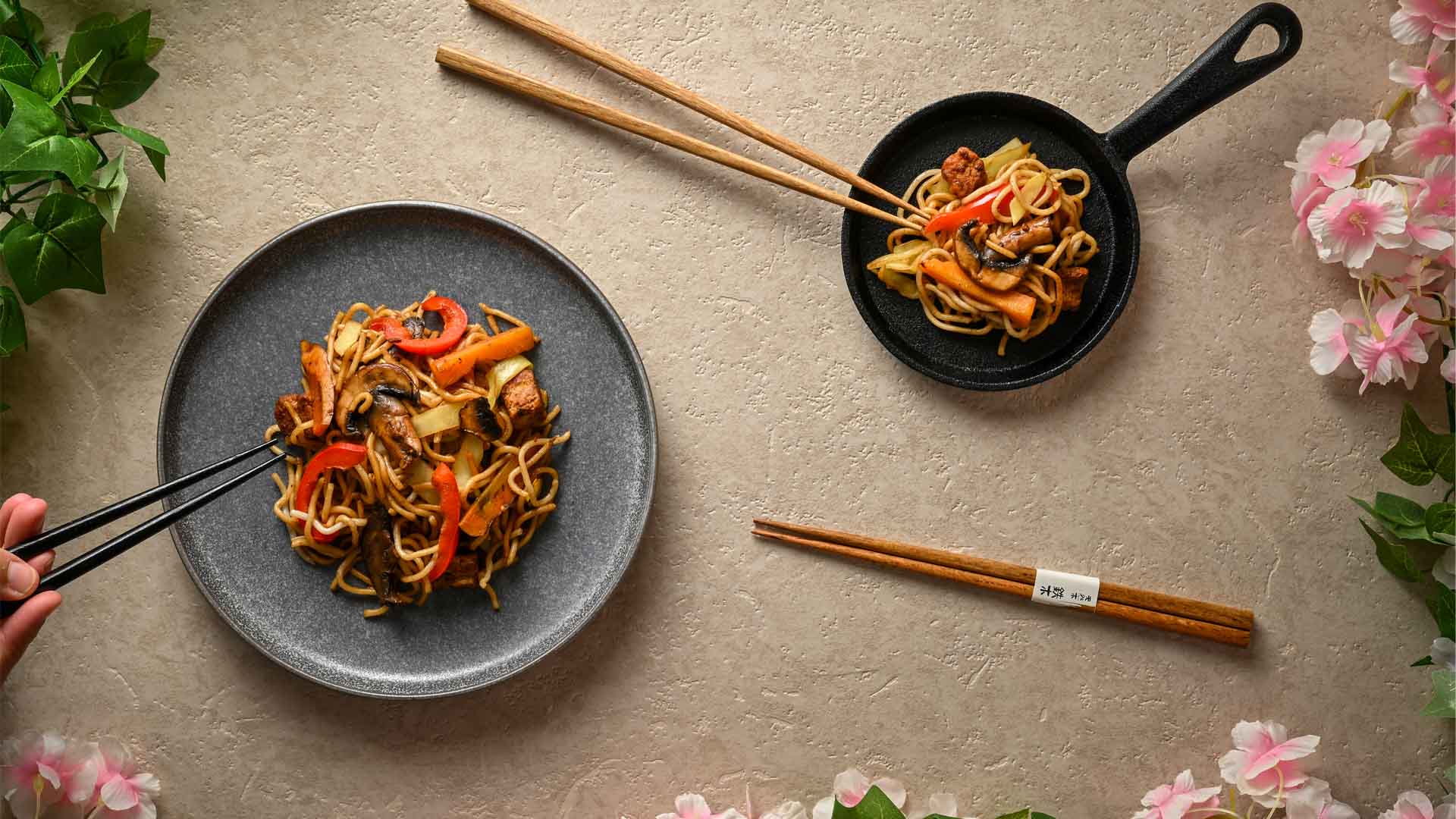
Increasingly, it’s the photographs with a scattering of flour across the worktop, a spoon resting in a curry, a biscuit broken open to reveal its texture or melted ice cream creeping towards the edge of the bowl that make us stop scrolling. They feel real, inviting and perhaps most importantly, they make us hungry.
The irony is that the most effective “messy” food photography is very rarely accidental.

Authenticity isn’t the same as untidiness
Consumers have become remarkably good at recognising imagery that feels overly manufactured. When every plate looks flawless and every element appears untouched, it can create a sense of distance. We admire the craftsmanship, but we don’t necessarily imagine ourselves eating the food.
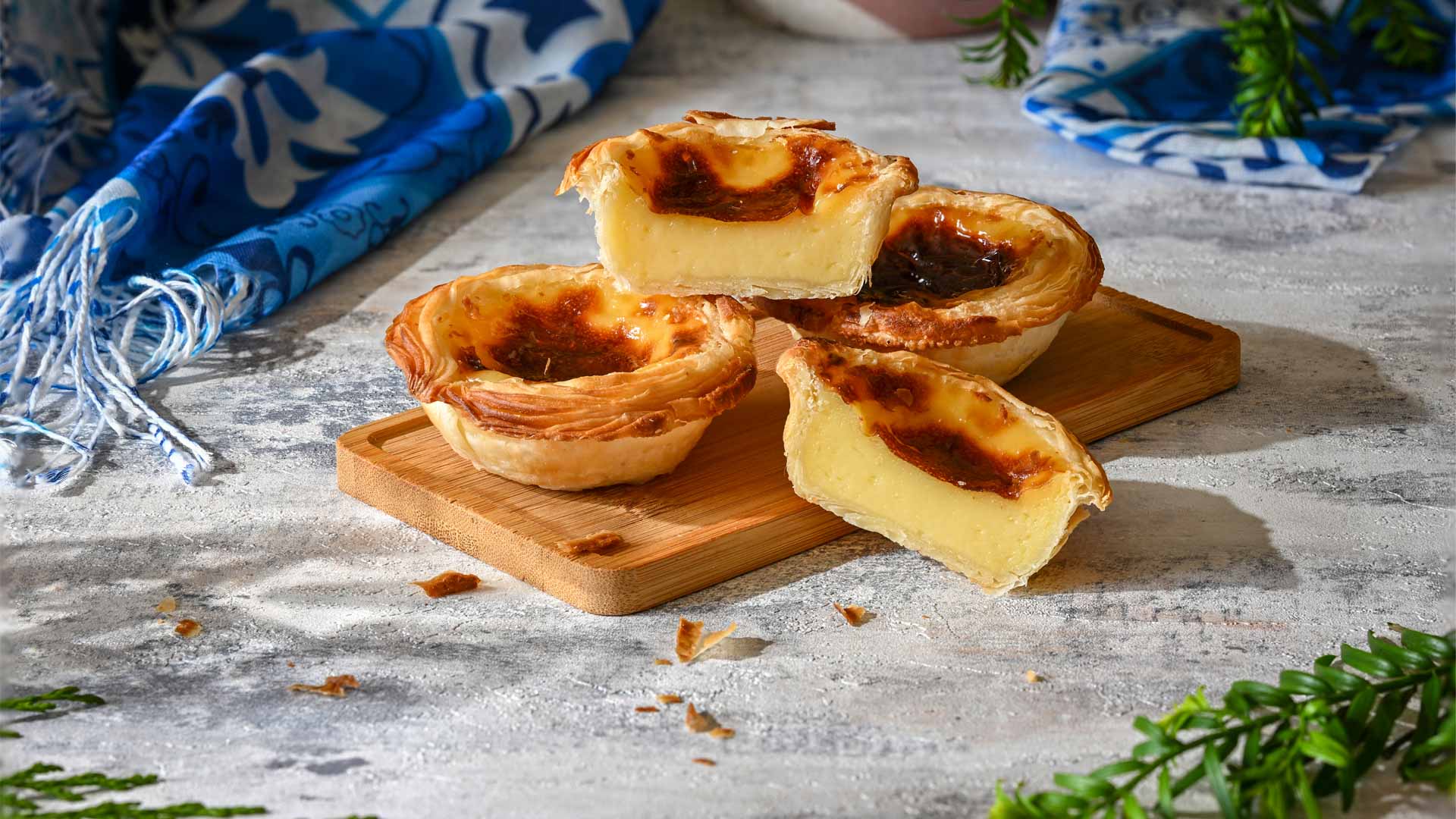
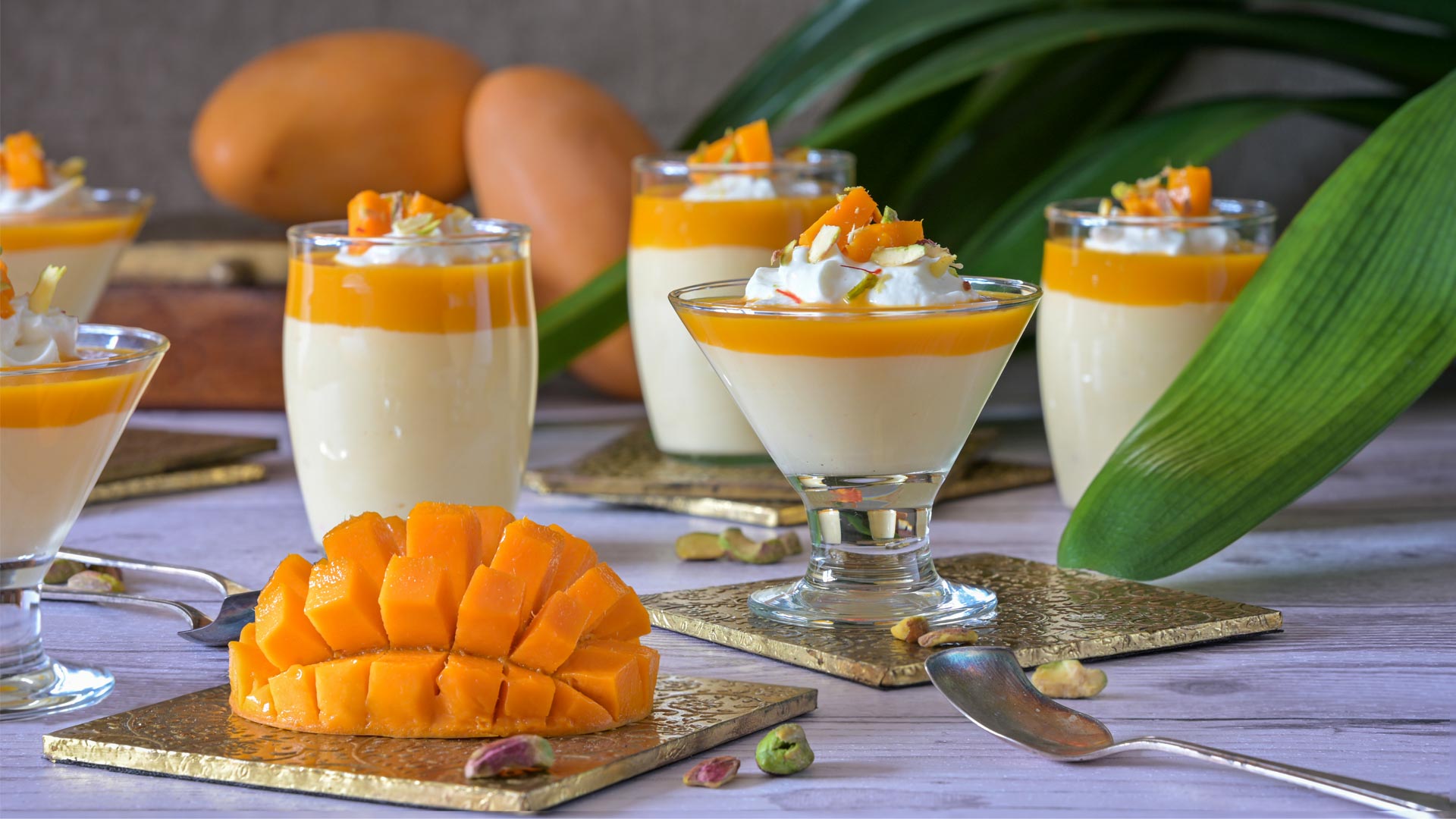
Authentic food photography bridges that gap by introducing subtle signs of human presence. A slice of cake that’s already been cut, a spoonful taken from a dessert or herbs naturally scattered across the surface all suggest movement, warmth and experience. Rather than simply documenting a dish, these details encourage the viewer to imagine themselves sitting at the table, reaching for another bite. The objective isn’t to create disorder, but to create believability.
Appetite begins long before the first bite
We don’t simply look at food. Our brains immediately begin predicting flavour, texture, temperature and satisfaction before we’ve tasted a single mouthful.
A cracked pastry tells us it will be crisp. Steam rising from a dish suggests warmth and comfort. A glossy drizzle of sauce hints at richness, while a handful of crumbs implies freshness straight from the oven.
These small imperfections provide sensory information that an untouched, perfectly pristine plate often cannot. When viewers can imagine what the food will feel like to eat, they’re far more likely to want it.

The balance between authentic and careless
Of course, authenticity should never be confused with carelessness. One of the biggest misconceptions about food photography is that creating natural-looking images simply means photographing food exactly as it arrives from the kitchen. In reality, every crumb, splash and drizzle still needs purpose.
If a plate genuinely looks untidy, customers may question the quality of the food or the attention to detail behind it. Equally, when everything appears too polished, the image can lose warmth and personality.
The most successful photographs occupy the space between these two extremes, where styling, lighting and composition work together to create images that feel effortless while presenting the food at its absolute best. Ironically, making something look naturally spontaneous often requires more planning than making it look perfect.
Every brand has its own version of authenticity
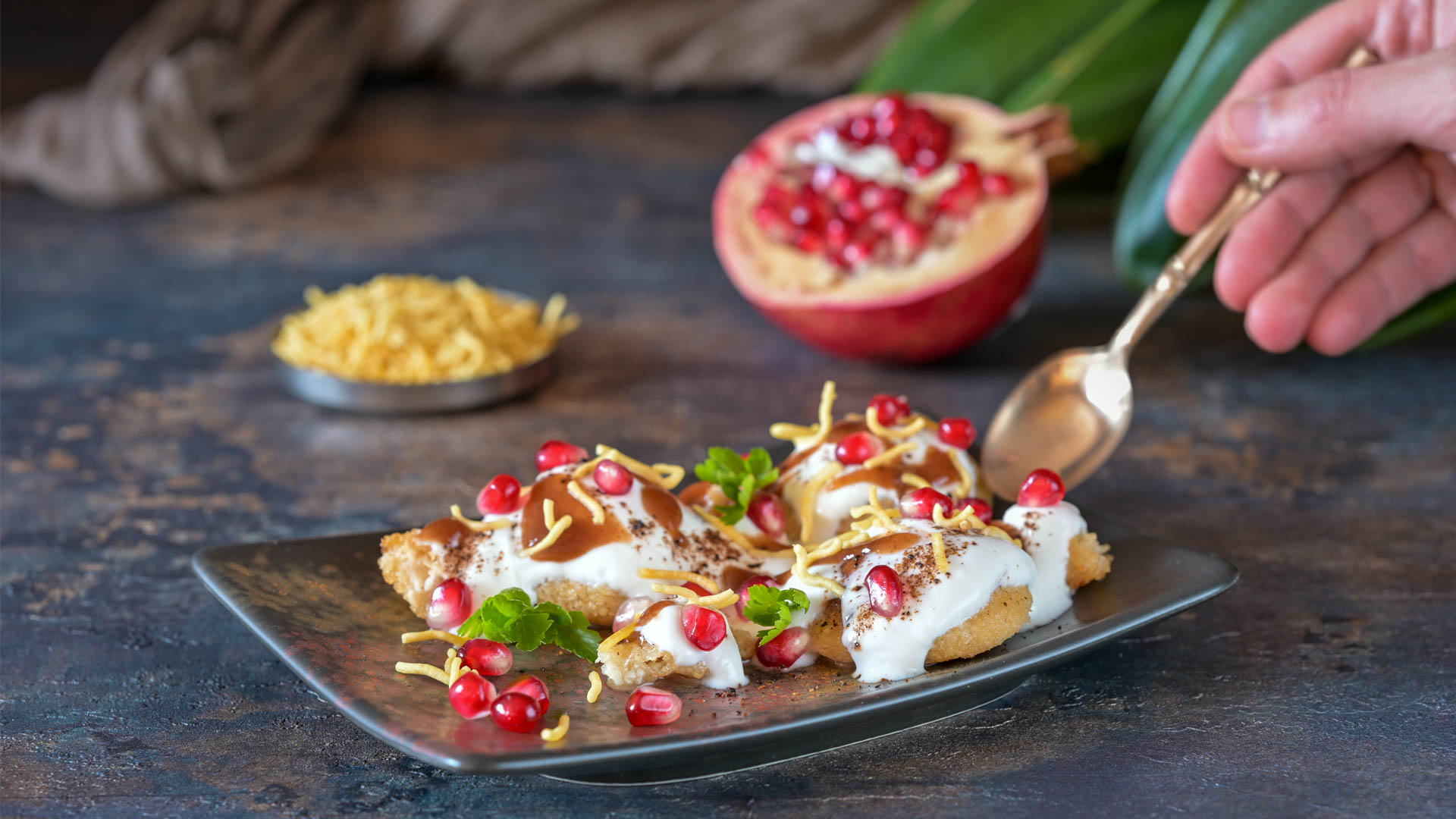
Not every business should embrace the same level of imperfection. A fine dining restaurant may benefit from elegant precision with only subtle hints of interaction, while an artisan bakery can celebrate cracked pastry, scattered icing sugar and torn bread to emphasise freshness. An Indian restaurant might create appetite by showing a spoon lifting a vibrant curry, naan already broken apart or fresh coriander naturally scattered across the dish. In every case, authenticity should reflect the experience your brand promises rather than simply following current trends.
The strongest food photography isn’t about making every dish look the same. It’s about understanding what will resonate with your customers and reinforcing the identity you’ve worked so hard to build.

Imperfection is carefully crafted
Some of the most natural-looking images I’ve created have involved carefully placing a splash of sauce or strategically arranging a trail of spices so that everything feels spontaneous without ever appearing staged. These details may look effortless, but they’re anything but accidental.
That’s because authenticity isn’t about making food look less appealing. It’s about making it feel more irresistible by giving viewers just enough visual information to imagine the experience for themselves.
Final thought
In food photography, perfection isn’t always what creates desire. More often than not, it’s the tiny imperfections that convince someone your food has just come out of the oven, is still sizzling from the pan or is waiting to be enjoyed. The art lies in knowing exactly which imperfections will strengthen the story you’re telling and which will simply create distraction.
When authenticity is crafted with intention, food photography does far more than show what’s on the plate. It creates visual appetite.

When you’re looking at food photography, are you drawn more to beautifully polished perfection or to images that feel naturally authentic?

About the Author
Ansuya is a food photographer specialising in Indian and global cuisine.