Tips for Styling Messy Foods Beautifully
Some of the most delicious foods are also the hardest to photograph.
Think of a generous samosa chaat layered with yoghurt and chutneys, a Mumbai vegetable grilled sandwich packed with colourful fillings, or a chocolate brownie sundae with melting ice cream and glossy chocolate sauce.
These are foods we love for their layers of flavour, contrasting textures and generous portions, yet translating those qualities into an image that makes someone stop scrolling and imagine the taste can be surprisingly challenging.
The temptation is often to tidy everything up, remove excess sauce or arrange every ingredient into a neat composition. But in doing so, we can sometimes lose the very qualities that make the dish so appealing.
The secret is not to eliminate the mess, but to make it look intentional.
For restaurants, caterers and food brands, the aim is to preserve a dish’s character while guiding the viewer’s eye towards what makes it desirable. Here are six ways to approach the challenge.

1. Embrace the texture, not the chaos
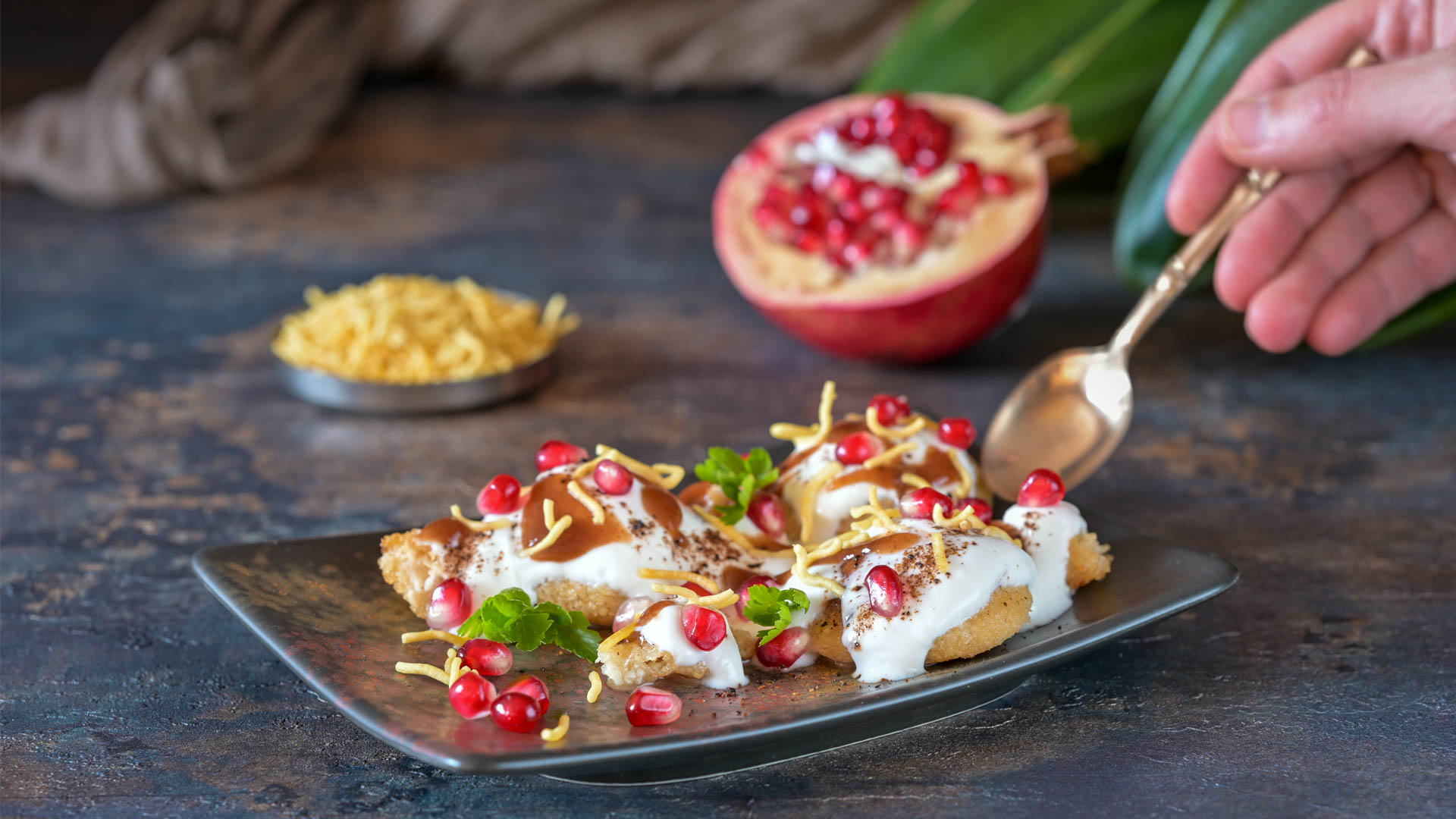
A samosa chaat brings together crisp pastry, soft potato, creamy yoghurt, tangy chutneys and crunchy sev. Its appeal lies in this combination of textures, but with so many ingredients competing for attention, it can easily become visually overwhelming.
Rather than removing everything that looks untidy, retain the details that make the dish appetising while simplifying the surrounding composition. A carefully placed drizzle of chutney or a scattering of fresh coriander can introduce colour and movement without obscuring the ingredients beneath.
The aim is to preserve the generosity and character of the dish while making every element contribute to its visual appeal.

2. Let the ingredients tell the story
A Mumbai vegetable grilled sandwich is a wonderful example of how layers can make a dish visually distinctive. The colourful vegetables, chutney and generous filling create a cross-section that reveals far more than the outside of the sandwich ever could.
When photographing layered foods, think about how you can make those ingredients visible rather than allowing them to merge into an indistinguishable mass. The angle of the cut, the positioning of the sandwich and the way the layers are presented can all influence how clearly the viewer sees what is inside.
These details do more than make the photograph attractive. They help communicate the substance, variety and appeal of the food before the customer has even taken a bite.

3. Use light to reveal the good stuff
Light has an enormous influence on how we perceive food, particularly when a dish combines contrasting textures.
Imagine a chocolate brownie sundae with a scoop of ice cream melting down the side of a warm brownie, finished with a glossy drizzle of chocolate sauce. The interplay between the melting ice cream, rich chocolate and soft brownie is a large part of its appeal.
Side lighting or light coming from slightly behind the food can help reveal the sheen of the sauce and the texture of the brownie, while adding depth to the overall composition.
The objective is not simply to make the food brighter. It is to use light to reveal the qualities that make someone want to take a bite.

4. Control where the mess happens
There is a difference between a dish that looks naturally inviting and one that looks carelessly assembled.
A flat lay of pear cake, for example, can benefit from a few crumbs and scattered flaked almonds, creating a sense of natural abundance and suggesting the textures within the cake. However, too many crumbs or an indiscriminate scattering of ingredients can quickly make the composition feel cluttered.
Think about where you want the visual interest to happen, then use those details deliberately. A few strategically placed crumbs can suggest that the cake is ready to be enjoyed, while the surrounding space allows the main subject to remain the focus.
Beautifully styled food does not have to look perfect. It simply needs to look considered.

5. Work quickly when the food is at its best
Some foods are particularly unforgiving when it comes to photography. Ice cream melts, sauces settle and fresh garnishes begin to wilt, changing the appearance of a dish within minutes.
Preparation is therefore just as important as styling. Before the finished dish arrives, consider the lighting, camera angle, background and composition and have your garnishes ready.
For a bowl of spaghetti, for example, reserve some fresh tomatoes and herbs to add at the last moment, helping their colours and textures remain distinct.
Working efficiently helps preserve the qualities that make the dish desirable, rather than trying to recreate them after they have disappeared.
6. Remember that the camera sees things differently
The angle from which you photograph a dish can completely change how it is perceived.
Take pumpkin halwa, for example. A flat lay can reveal its colour, texture and garnishes across the surface, while a front-on photograph may communicate its depth and the way it sits within the serving dish. Both approaches show the same food, but each tells a slightly different visual story.
Consider what you want the viewer to notice first, then choose the composition accordingly. There is no single angle that works for every dish, and sometimes experimenting with different perspectives reveals an entirely new way to present familiar food.
The key is to make the styling, lighting and camera angle work together to bring out the dish’s most appealing qualities.

From messy to mouth-watering
Some foods are never going to look pristine and nor should they. Their appeal often lies in their generosity, contrasting textures and the sense that they are ready to be enjoyed rather than admired from a distance.
The real skill lies in recognising which details communicate flavour, which create visual interest and which distract from the experience you want the viewer to imagine.
For restaurants, caterers and food brands, this matters because photography is often the first opportunity a potential customer has to experience a dish. Before they taste it or discover its ingredients, they are already forming an impression of its quality, character and value.
A beautifully photographed bowl of roasted butternut squash soup, for instance, can communicate warmth and comfort through its rich colour, velvety texture and carefully considered presentation. It becomes more than a picture of what’s on the menu; it invites the viewer to imagine the experience of enjoying it.

Because the aim is not simply to show people your food. It is to make them imagine the taste.
And that is where food photography becomes more than a picture. It becomes visual appetite.
Do you work with dishes that are particularly challenging to photograph? I’d love to hear which foods you find hardest to style and how you approach bringing out their most appetising qualities.

About the Author
Ansuya is a food photographer specialising in Indian and global cuisine.