Food Photography: Selecting your Backgrounds
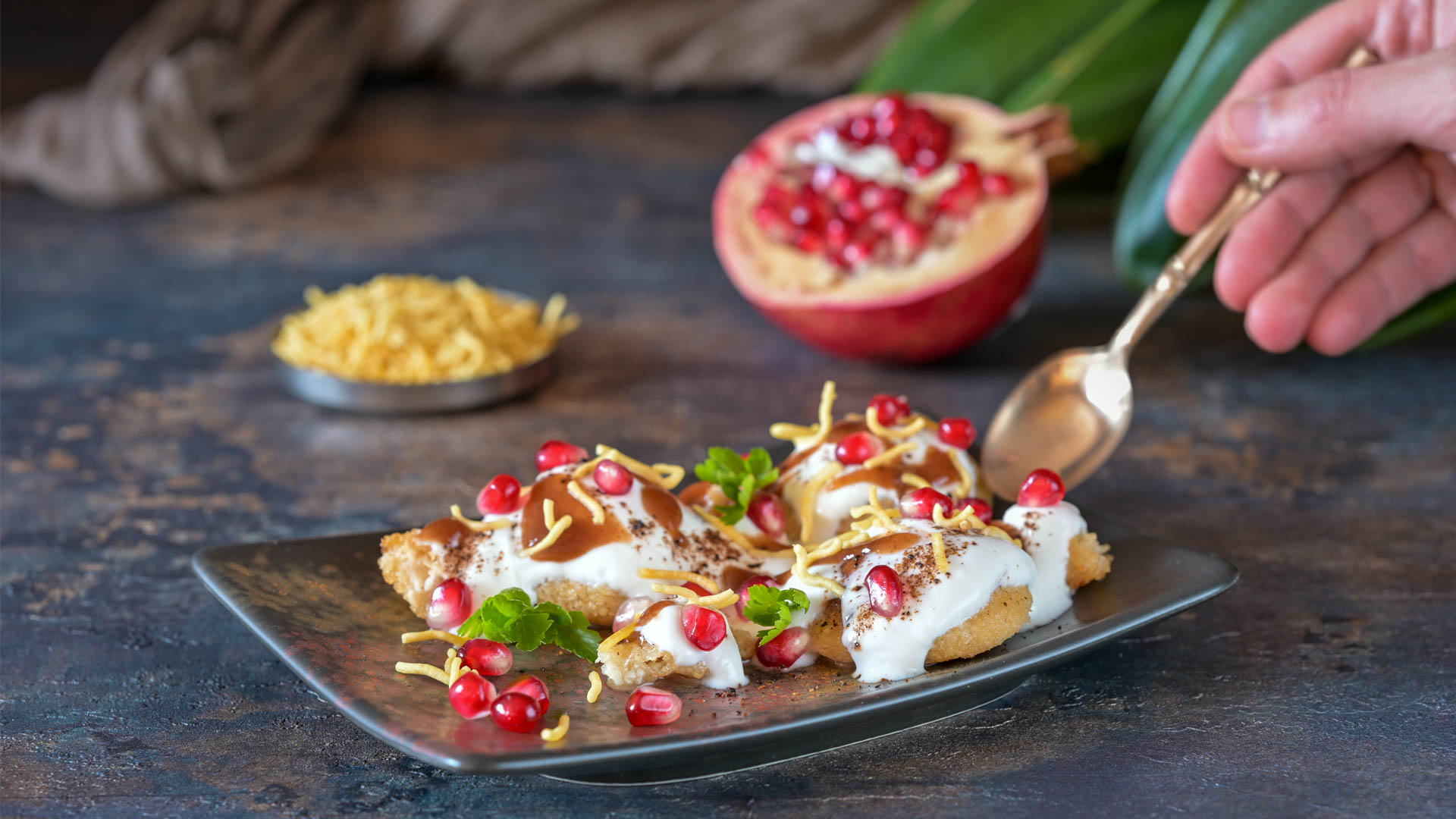
A well chosen background can elevate your food photo; conveying particular emotions and drawing attention to specific areas of the food. Understanding how to select the right background option for your images can make a big difference to the end result.
Whether you’re a cafe, restaurant, bakery or creating packaged foods and gifts for delivery, consider the following when capturing your products.
The Mood
Do you want your photos to give off a rustic, organic feel or a more sophisticated and elegant look. Perhaps your products are targeted at younger people, where vibrant, bold colours may give a more fun and energetic vibe.
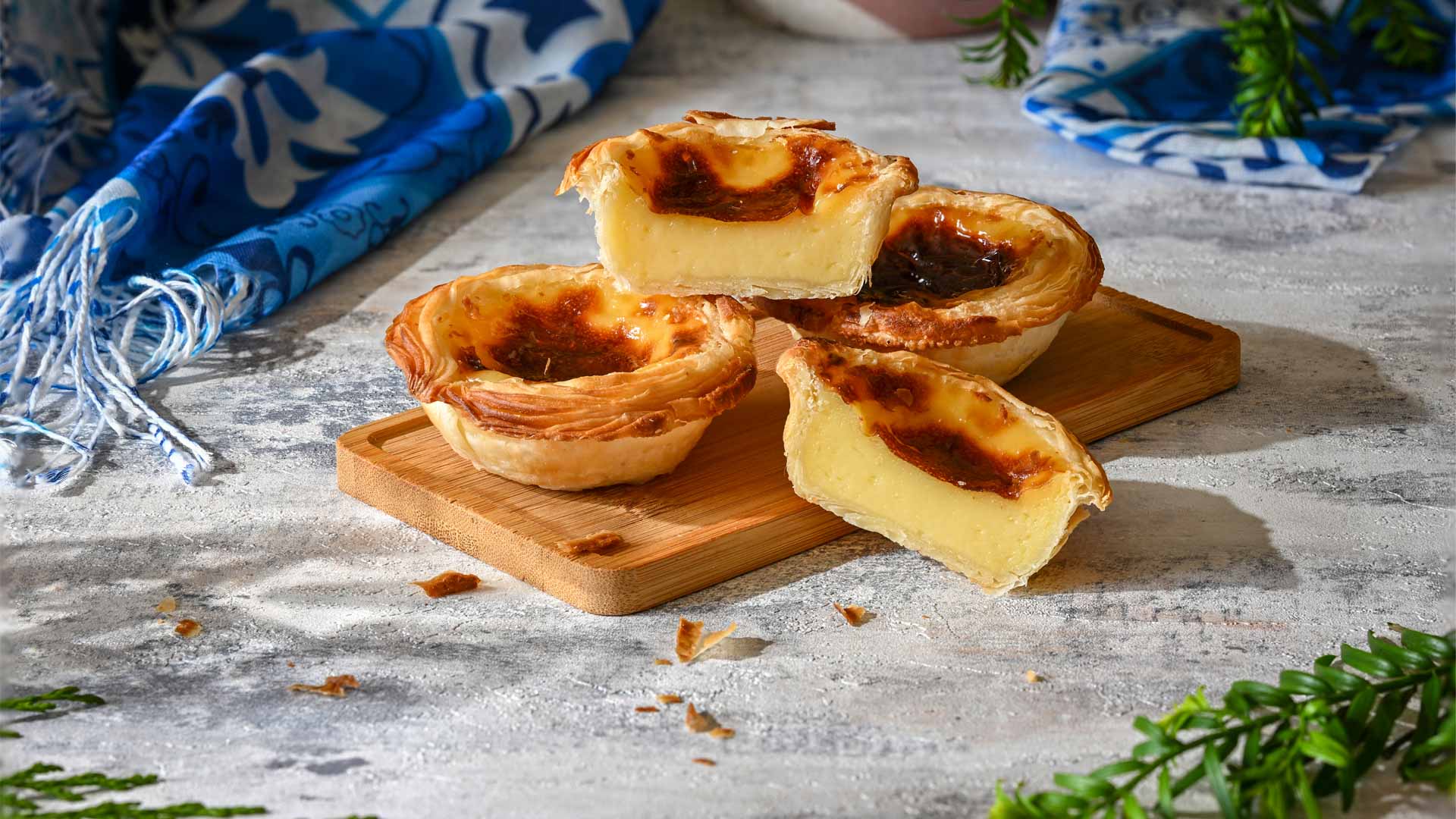
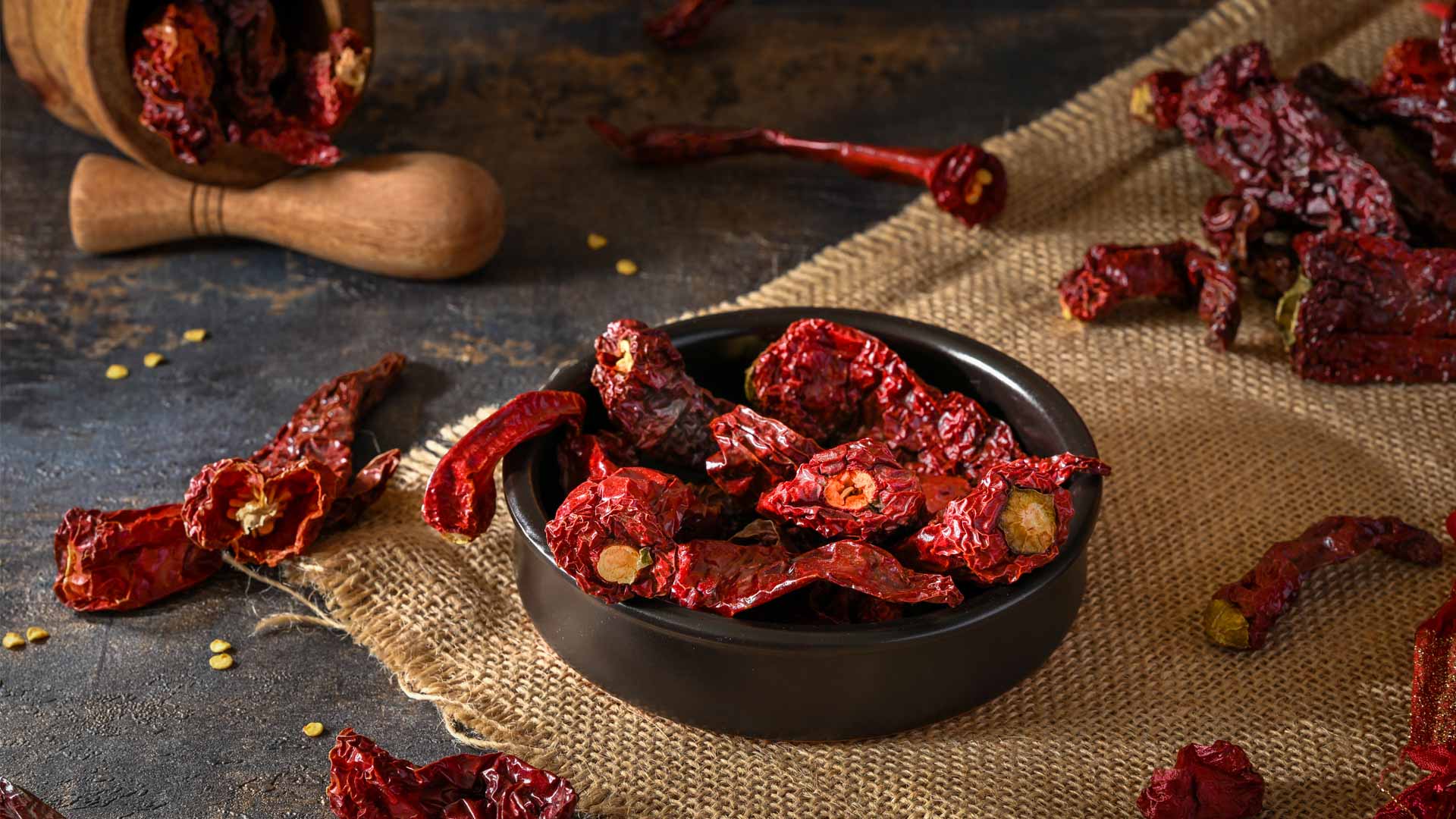
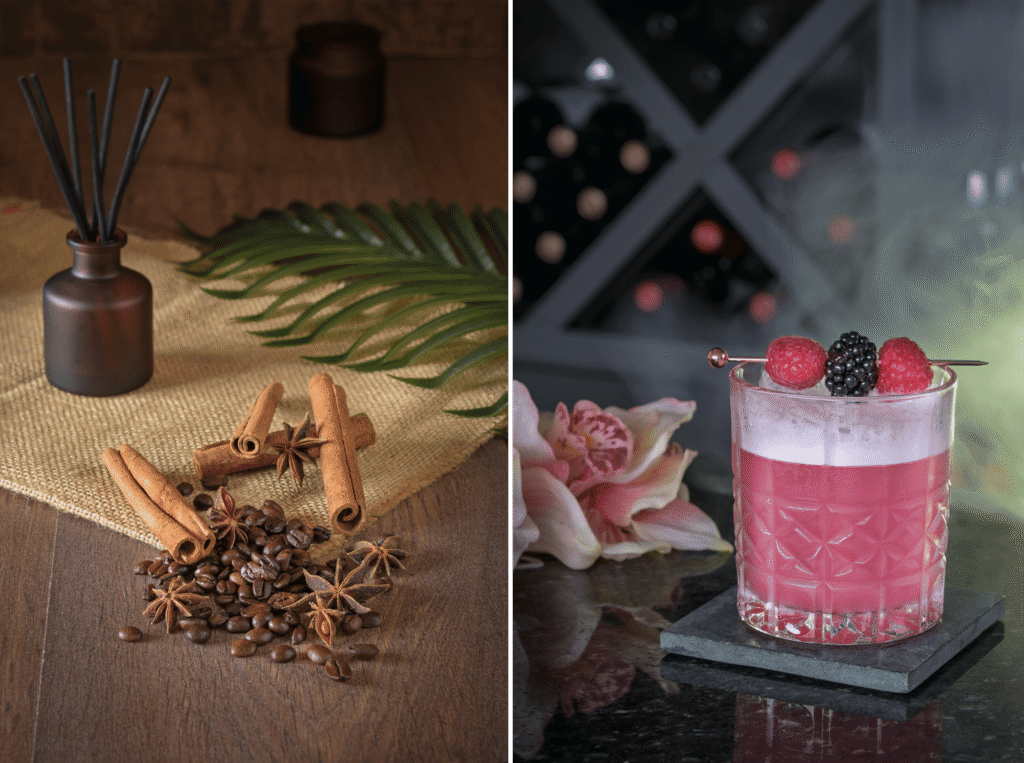
Wood or wooden effect backgrounds can help achieve a rustic look and may be paired with some fabrics or Hessian for a more farmhouse feel. Using black glass, acrylic or a worktop may resemble a fine dining setup or high end bar, whilst the numerous colours that both card or vinyl are available in can allow for everything in between.
Colour
Again, the style and emotion you wish your image to portray will help to narrow down or dictate the colour of your background.
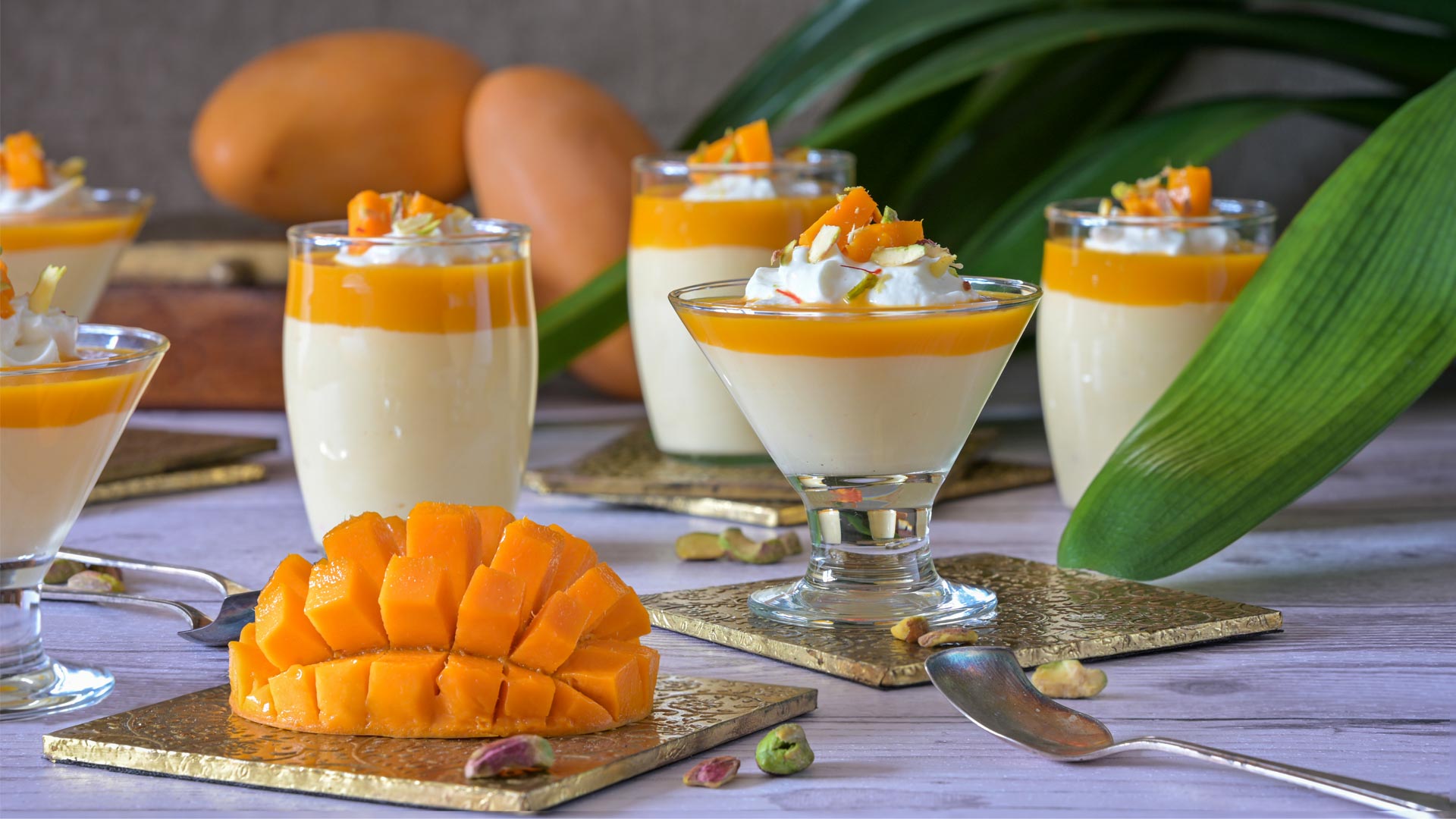
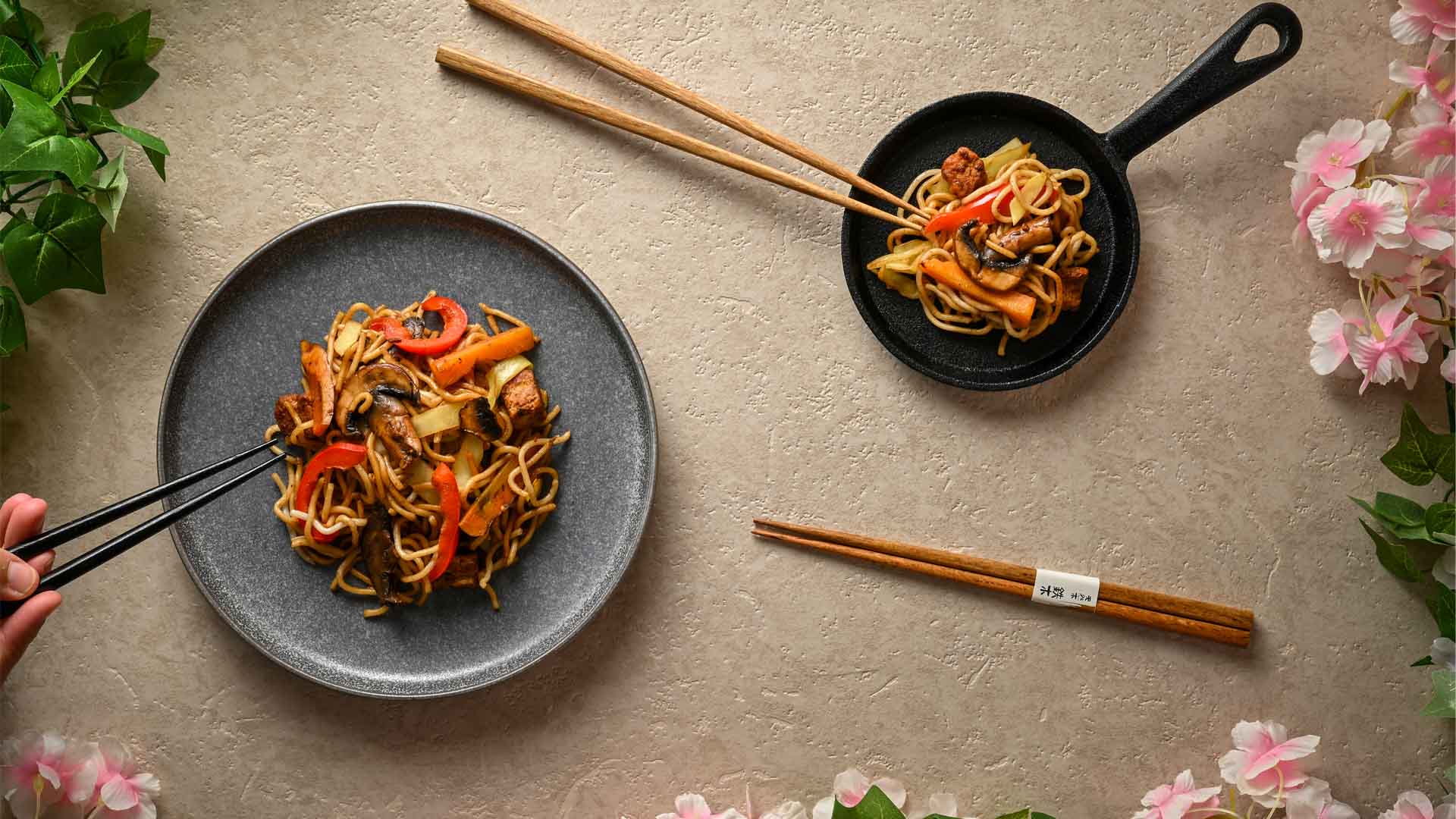
Neutral tones of beige, cream or grey can ensure the food is centre stage without distraction, whilst complementary colours can help accentuate colours within the food such as a red background against greens or blue against orange.
A monochromatic effect with varying shades of the same colour can also work well to create a cohesive image.

Texture
Smooth textures in fabric, marble or tile can create a more pristine look within an image. In dishes requiring contrast in texture, materials including wood, stone and foliage can be incorporated into the setup.
When adding textural elements to your photo, make sure they fit with the overall feel of the image and aren’t overpowering; distracting the viewers’ eyes from the food or drink being shown.

Props & Nature
As well as helping to illustrate a story, props can also form part of your background, such as this basil plant and vine of tomatoes, which helps to frame the plate of capresé salad as well as form part of the story.

Don’t forget that nature itself can often form a stunning and unique background, which may compliment your food above and beyond anything a printed background may be able to. Although more unpredictable and subject to the forces and uncontrollability of nature, the difficulties this poses can sometimes be well worth it.

Other Considerations
Whether using natural or artificial backgrounds, consider the elements within your shot and any action shots you may intend taking such as sprinkling of icing sugar or the dropping of an ice cube into a drink. Such shots can create a fair amount of mess, so being able to wipe up any spills without leaving stains is also something to bear in mind.
Consider the portability and storage requirements of your backdrops. Whilst some may be rolled or folded, tiles and boards of any kind take up more space and may be heavy.
As some backgrounds can be costly, consider how much use you are likely to get from your chosen product. Is it the kind that is very versatile or something you are likely to only be able to use for one shoot. You may even be able to create a similar product yourself; minimising cost and giving you a unique one of a kind product?
How does this change what you’re going to photograph your food against?

About the Author
Ansuya is a food photographer specialising in Indian and global cuisine.