Cultural Cuisine: Austrian Knödel
Austrian dumplings are a celebration of comfort, tradition and the simple pleasures of Alpine cooking.
Known locally as Knödel, these versatile dumplings come in many forms, from savoury bread and potato varieties served alongside rich gravies to sweet dumplings filled with fruit and finished with butter, sugar or poppy seeds. Whether enjoyed in a traditional mountain inn or around a family table, they reflect a food culture shaped by regional ingredients, resourcefulness and generations of home cooking.
Capturing their appeal in a photograph is about more than making a dumpling look delicious. It’s about conveying the warmth, texture and sense of tradition behind a dish that might appear simple at first glance, but has a story worth telling.
Let me take you into the world of Austrian dumplings and show you how thoughtful styling, carefully chosen props and a considered colour palette can transform this humble Alpine favourite into mouth-watering, authentic premium photography.
The Feeling
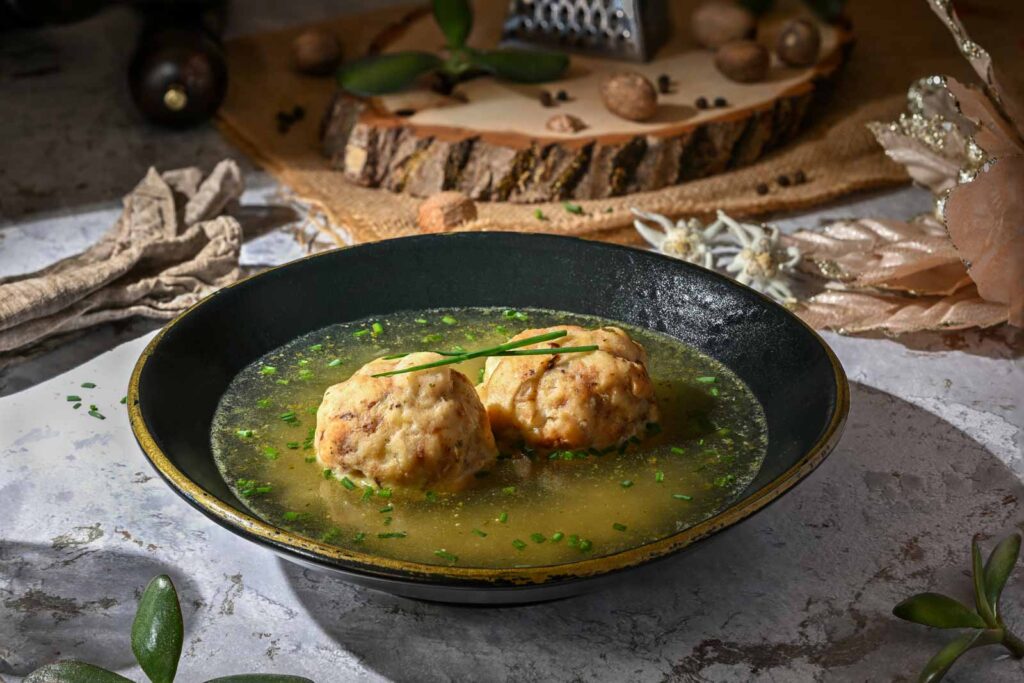
There is something deeply comforting about dumplings. Their soft, substantial texture and warm, hearty character bring to mind cold Alpine days, cosy mountain restaurants and the pleasure of sitting down to a generous meal after time spent outdoors.
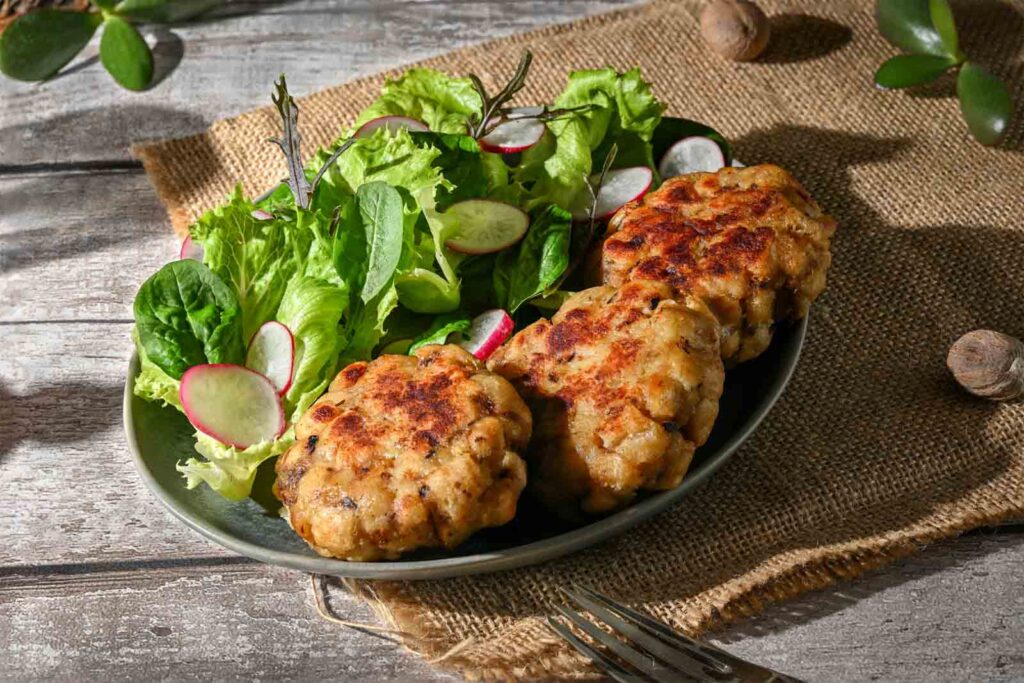
Unlike dishes that rely on elaborate presentation or vibrant garnishes to attract attention, dumplings have a quieter appeal. Their beauty lies in their simplicity, whether that is the delicate surface of a bread dumpling, the golden exterior of a pan-fried variety or the softness revealed when one is cut open.
The viewer should imagine more than the taste alone. The image should evoke the warmth of a traditional Gasthof or the refined atmosphere of an upmarket restaurant, each offering its own interpretation of a dish that is made to be enjoyed slowly.
Through considered composition and natural textures the image can feel welcoming and authentic.
Because when food photography captures the feeling behind a dish, even the simplest ingredients can become something people genuinely want to experience.

Props & Styling
Austrian dumplings lend themselves beautifully to different photographic styles, with the choice of serving dishes, natural materials and surrounding details helping to establish a sense of place without competing with the food itself.
Traditional stoneware bowls, wooden boards and cast iron skillets introduce the tactile qualities associated with Alpine kitchens and mountain dining. Linen fabrics, subtle woven textures and a traditional red and white checked cloth help establish an Austrian Alpine setting.
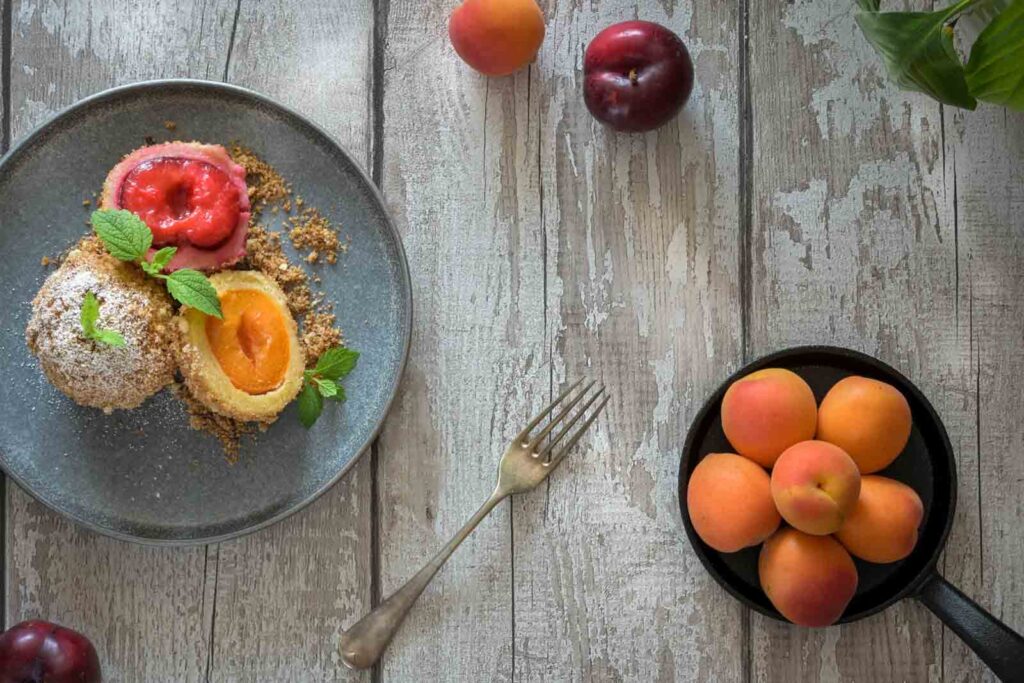
The styling of the dumplings themselves is equally important. Their colour, shape and surface texture should remain visible, so arranging them at slightly different angles or allowing one to be cut open can reveal the softer interior and create a more engaging composition.
Surrounding ingredients can also provide useful context. The key is to make these details feel as though they belong naturally within the scene, adding to the story rather than simply filling empty space.
The aim is to create an image that feels like a moment from an Austrian kitchen, where the food is hearty, the setting is welcoming and every element has a reason for being there.

Colours
Austrian dumplings offer a surprisingly diverse colour palette, from the creamy beige and golden hues of traditional bread dumplings to the vibrant green of spinach varieties and the deep red of beetroot dumplings. Fruit-filled dumplings bring another dimension, with the natural colours of the fruit revealed when cut open, creating a striking contrast against the softer tones of the surrounding dough.
The challenge is to make these colours work harmoniously within the composition without allowing the props and background to overshadow the food. Neutral, earthy tones can provide a grounding backdrop for more vibrant varieties, while carefully chosen accents through fresh herbs, seasonal ingredients or fabrics can complement the colours of the dumplings themselves.
Texture is just as important as colour. The contrast between the softness of the dumplings, the grain of the wood, the weave of the fabric and the surface of the ceramics adds visual depth, helping each variety feel distinctive while creating an image that remains cohesive, inviting and authentic.
Austrian dumplings are more than a comforting meal; they are a reflection of regional food traditions, resourcefulness and the pleasure of sharing food that has stood the test of time.
And as with all food photography, when we understand the story behind a dish, we can make more considered decisions about how it should be presented, helping the viewer connect with its character before they have even tasted it.
Having explored the feeling and visual details behind these traditional Alpine favourites, I hope you’re feeling inspired to approach your own food photography with a fresh perspective.
If there’s a cultural dish you’d love to see featured next, please let me know in the comments.

About the Author
Ansuya is a food photographer specialising in Indian and global cuisine.